Mt. Coke False Shieldback
Acilacris furcatus
Overview
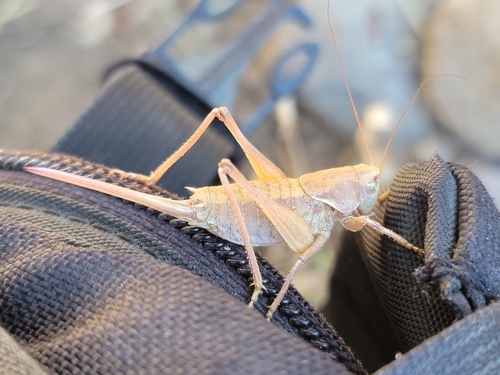
Acilacris furcatus is a critically endangered grasshopper species belonging to the family Acrididae. This orthopteran insect is characterized by its distinctive morphological features, including the forked structures that give it its species name 'furcatus.' The species has a highly restricted distribution range, making it particularly vulnerable to environmental changes and habitat disturbance. Like many grasshopper species, A.
furcatus likely plays an important ecological role as both herbivore and prey species within its ecosystem. The species faces significant conservation challenges due to its limited range and specialized habitat requirements. Habitat loss and degradation represent primary threats to the species' survival, as development, agricultural expansion, and land use changes continue to fragment and destroy suitable environments.
Climate change may pose additional risks through altered precipitation patterns, temperature regimes, and vegetation composition that could affect the species' ability to complete its life cycle successfully. The species' population trend remains unknown, highlighting the urgent need for comprehensive surveys and monitoring programs to assess current population status and distribution. Conservation efforts for A.
furcatus require immediate attention given its critically endangered status, including habitat protection measures, population monitoring, and research into the species' specific ecological requirements. Effective conservation strategies will depend on better understanding of the species' biology, habitat preferences, and the specific factors driving its decline to implement targeted protection measures.
Acilacris furcatus faces severe threats from habitat loss and degradation caused by human development and land use changes. Climate change poses additional risks through altered environmental conditions that may disrupt the species' life cycle and habitat suitability.
Habitat
Acilacris furcatus inhabits specialized terrestrial environments with specific vegetation and microclimate requirements typical of grasshopper species. The species appears to have narrow habitat tolerances, contributing to its restricted distribution and vulnerability to environmental changes.
Other threatened species in TETTIGONIIDAE
Threatened in South Africa


Frequently asked questions
Why is Mt. Coke False Shieldback classified as Critically Endangered?
Where does Mt. Coke False Shieldback live?
What are the main threats to Mt. Coke False Shieldback?
Get weekly conservation intelligence
One short digest a week of the most striking species and country data we ship, plus breaking conservation news paired with our database where it matters.
Free, no spam. One-click unsubscribe in every email.