Mount Cooper Striped Lerista
Lerista vittata
Overview
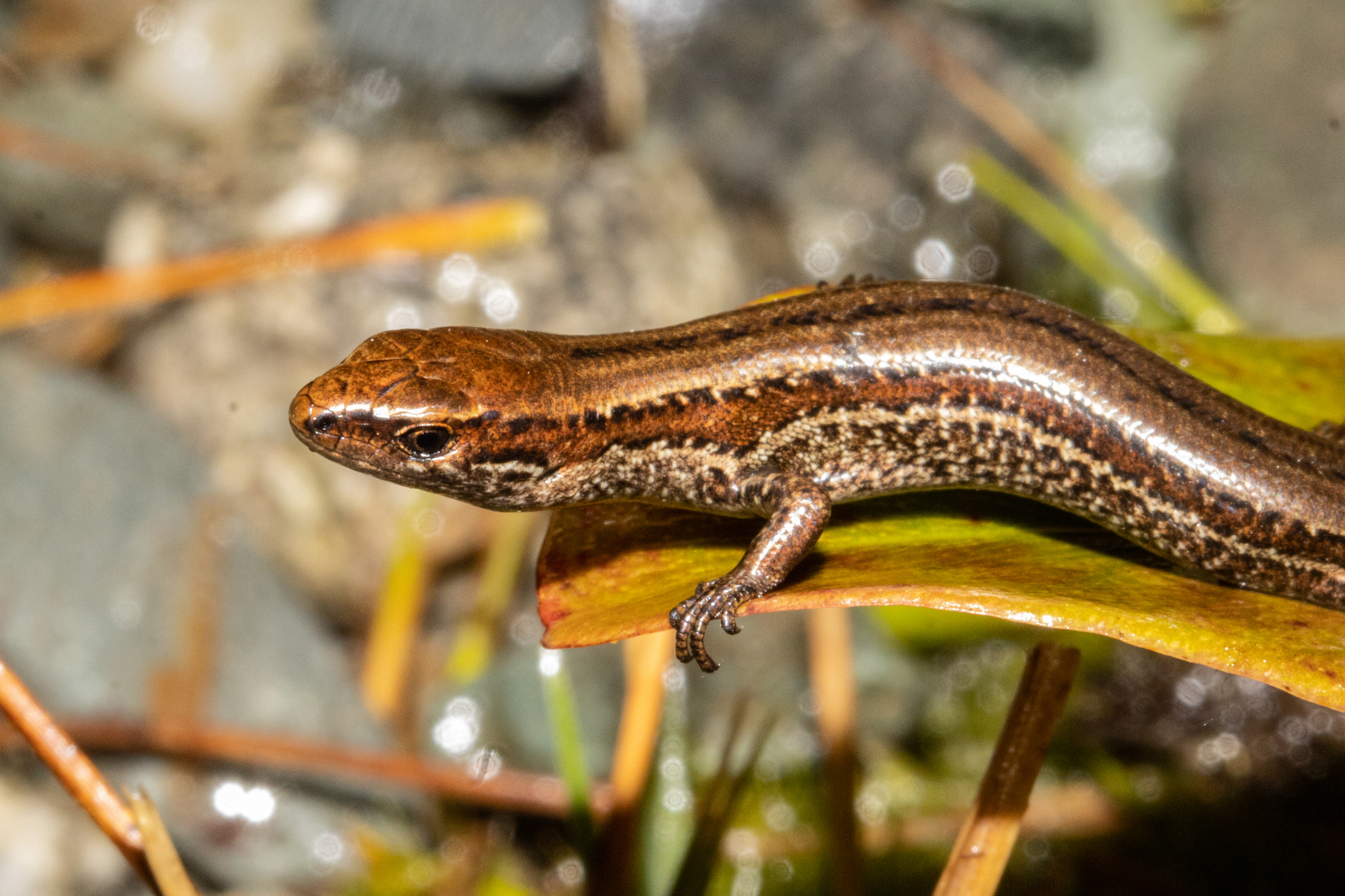
Lerista vittata is a small, elongate skink belonging to the diverse Australian genus Lerista, a group characterized by reduced or absent limbs and a smooth, streamlined body adapted for burrowing through leaf litter and loose soil. Like other members of the genus, it is likely a fossorial or semi-fossorial forager, feeding on small invertebrates found within soil and litter layers, and contributing to nutrient cycling and soil turnover within its habitat. Its cryptic, subterranean lifestyle makes direct observation difficult, and detailed behavioral data remain limited.
The species is restricted to forested habitat in Australia, with a distribution centered around the Mount Cooper area. Its reliance on intact forest floor conditions, including leaf litter, fallen timber, and undisturbed soil, makes it highly sensitive to changes in habitat structure and moisture regime.
The species faces a broad array of ongoing pressures. Livestock farming and ranching degrade ground-level habitat through trampling and soil compaction, while logging and land clearing for agriculture and urban development directly remove forest cover. Mining and quarrying, along with road and infrastructure construction, fragment remaining habitat patches.
Altered fire regimes, whether through increased fire frequency or fire suppression, disrupt the microhabitats the species depends on, and invasive species introduce additional predation and competitive pressures.
Specific conservation programs targeting this species have not been widely documented, though it may benefit indirectly from broader forest protection and habitat management efforts in Australia. Its listing as Critically Endangered reflects a declining population trend under continued habitat loss and fragmentation. Without targeted survey work, habitat protection, and mitigation of the threats outlined above, its long-term outlook remains poor.
The Mount Cooper Striped Lerista faces ongoing habitat destruction from farming, livestock grazing, logging, mining, and land being cleared for towns and roads, which breaks up and shrinks the natural areas it needs to survive. It's also threatened by invasive species that compete with or prey on it, along with changes to natural fire patterns that can destroy its habitat. With so many overlapping pressures all listed as currently active, these threats appear to be ongoing and stable rather than clearly increasing or decreasing.
Habitat
This species inhabits sandy soils and shrubland environments in the wheatbelt region of Western Australia. It requires areas with loose, well-drained substrates that allow for its fossorial lifestyle and specialized burrowing behavior.
Conservation measures underway
Other threatened species in SCINCIDAE

Threatened in Australia
Frequently asked questions
Why is Mount Cooper Striped Lerista classified as Critically Endangered?
Where does Mount Cooper Striped Lerista live?
What are the main threats to Mount Cooper Striped Lerista?
Get weekly conservation intelligence
One short digest a week of the most striking species and country data we ship, plus breaking conservation news paired with our database where it matters.
Free, no spam. One-click unsubscribe in every email.