Dypsis canaliculata
Overview
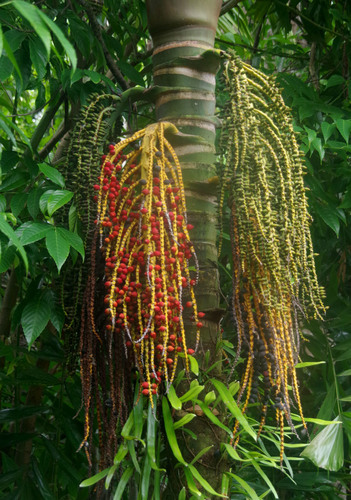
Chrysalidocarpus canaliculatus is a species of flowering plant in the family Arecaceae. It is found only in Madagascar, where it is thought that fewer than 10 individual plants exist. It was previously collected from two disjunct populations, one in Manongarivo and one in Ampasimanolotra.
Both were growing on sandstone in lowland rain forest. In 2001 another small population was discovered in Zahamena National Park, and this is now the only known surviving group. To date no flowers from C.
canaliculatus have ever been collected for science.
Dypsis canaliculata faces severe population decline primarily due to habitat destruction from agricultural expansion and logging activities in Madagascar's remaining forest fragments. The species' extremely limited range makes it particularly vulnerable to localized threats, with small population sizes unable to withstand continued habitat degradation. Collection pressure for the horticultural trade has further reduced wild populations of this endemic palm.
Habitat
This endemic Madagascar palm inhabits humid lowland and mid-elevation rainforests, typically growing in the understory of primary forest areas. The species requires well-drained soils and consistent moisture levels found in intact forest ecosystems.
Conservation measures underway
Other threatened species in ARECACEAE
Threatened in Madagascar

Frequently asked questions
Why is Dypsis canaliculata classified as Critically Endangered?
Where does Dypsis canaliculata live?
What are the main threats to Dypsis canaliculata?
Get weekly conservation intelligence
One short digest a week of the most striking species and country data we ship, plus breaking conservation news paired with our database where it matters.
Free, no spam. One-click unsubscribe in every email.