Cyperus semifertilis
Overview
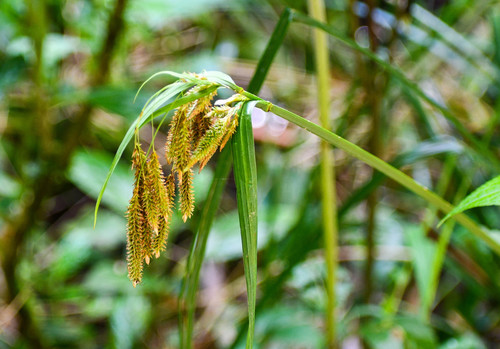
Cyperus semifertilis is a perennial sedge belonging to the family Cyperaceae, characterized by the grass-like foliage, triangular stems, and clustered flower spikelets typical of the genus. As a sedge, it likely contributes to soil stabilization and nutrient cycling within its habitat, and may provide structural cover or forage for small invertebrates and other fauna sharing its forest floor niche. Detailed behavioral or reproductive data specific to this species are limited in available literature.
The species is endemic to Australia, where it occupies terrestrial forest habitats. Its distribution appears to be restricted, consistent with its classification as Vulnerable under IUCN criteria, though comprehensive range mapping and population census data remain sparse, and the current population trend is listed as unknown.
The species faces a broad array of ongoing pressures. Expansion of housing and urban development fragments and destroys suitable habitat, while conversion of land for annual and perennial non-timber crops further reduces available habitat. Livestock farming and ranching contribute to habitat degradation through grazing and trampling.
Altered fire regimes, including both increased fire frequency and fire suppression, disrupt the natural disturbance patterns forest ecosystems depend on. Invasive non-native species compete with or displace native flora, while logging and wood harvesting degrade forest structure. Domestic and urban wastewater runoff introduces pollutants that can alter soil and water chemistry in remaining habitat.
Specific targeted conservation programs for Cyperus semifertilis are not well documented, though it likely benefits indirectly from broader Australian forest conservation and protected area management efforts, as well as general biodiversity monitoring under national conservation frameworks.
Given the multiplicity of ongoing, unresolved threats and the lack of clear population trend data, the species' long-term outlook remains uncertain, warranting continued monitoring and habitat protection.
Cyperus semifertilis is threatened by the spread of towns and housing, the clearing of land for crops and livestock grazing, and pollution from wastewater runoff into its habitat. It also faces pressure from wood harvesting, competition from invasive plant species, and changes in natural fire patterns. All of these threats are currently ongoing, suggesting the pressures on this plant are continuing at a steady pace rather than easing.
Habitat
Conservation measures underway
Other threatened species in CYPERACEAE
Threatened in Australia
Frequently asked questions
Why is Cyperus semifertilis classified as Vulnerable?
Where does Cyperus semifertilis live?
What are the main threats to Cyperus semifertilis?
Get weekly conservation intelligence
One short digest a week of the most striking species and country data we ship, plus breaking conservation news paired with our database where it matters.
Free, no spam. One-click unsubscribe in every email.