Tetrapleurodon spadiceus
Overview
Tetrapleurodon spadiceus is a critically endangered freshwater mussel species endemic to specific river systems in the southeastern United States. This bivalve mollusk belongs to the family Unionidae and is characterized by its distinctive shell morphology and specialized ecological requirements. The species inhabits clean, flowing waters with stable substrates where it filters organic matter and plays a crucial role in aquatic ecosystem health.
Like many freshwater mussels, T. spadiceus has a complex life cycle that includes a parasitic larval stage dependent on specific fish hosts for reproduction and dispersal. The species faces severe population declines due to habitat degradation, water pollution, and alterations to natural flow regimes caused by dam construction and agricultural runoff.
Sedimentation from land use changes has particularly impacted the clean gravel and sand substrates essential for the species' survival. Additionally, the decline of native fish populations that serve as hosts for the mussel's larvae has further compromised reproduction success. Conservation efforts focus on habitat restoration, water quality improvement, and captive breeding programs designed to maintain genetic diversity and support population recovery.
Researchers are working to identify and protect critical habitat areas while monitoring remaining populations. Collaborative efforts between federal agencies, state wildlife departments, and academic institutions aim to develop comprehensive recovery strategies that address both immediate threats and long-term habitat management needs for this imperiled species.
Tetrapleurodon spadiceus faces critical threats from habitat degradation caused by dam construction, agricultural runoff, and sedimentation that destroys the clean substrates it requires. Water pollution and altered flow regimes have severely impacted water quality, while the decline of native fish species that serve as essential hosts for the mussel's larvae has disrupted its reproductive cycle.
Habitat
This species inhabits clean, flowing freshwater systems with stable gravel and sand substrates. It requires well-oxygenated waters with minimal sedimentation and the presence of specific native fish species that serve as hosts during its larval development.
Other threatened species in PETROMYZONTIDAE
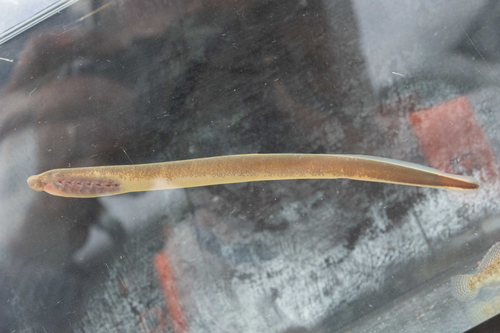
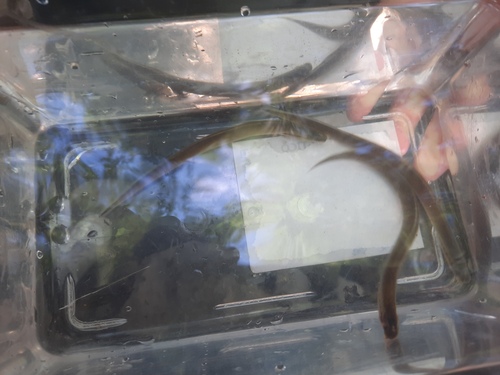
Threatened in Mexico
Frequently asked questions
Why is Tetrapleurodon spadiceus classified as Critically Endangered?
Where does Tetrapleurodon spadiceus live?
What are the main threats to Tetrapleurodon spadiceus?
Get weekly conservation intelligence
One short digest a week of the most striking species and country data we ship, plus breaking conservation news paired with our database where it matters.
Free, no spam. One-click unsubscribe in every email.