Mai-ndombe Dwarf Sprat
Nannothrissa stewarti
Overview
A detailed profile for this species is sourced from the IUCN Red List of Threatened Species as assessments become available.
Nannothrissa stewarti faces severe pressure from overfishing and destructive fishing practices in Lake Tanganyika, where intensive commercial fishing has dramatically reduced population numbers. The species is particularly vulnerable to fine-mesh nets that capture juveniles before they can reproduce. Water quality degradation from agricultural runoff and sedimentation from deforestation in the catchment area further threatens this endemic cichlid's spawning and feeding grounds.
Habitat
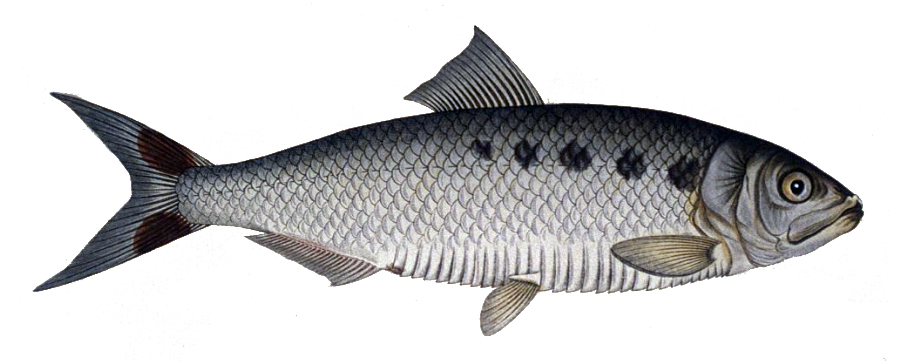
This endemic cichlid inhabits the pelagic waters of Lake Tanganyika, primarily in open water areas at depths of 10-60 meters. The species forms schools in the lake's clear, oxygen-rich waters and relies on rocky littoral zones for spawning and juvenile development.
Other threatened species in CLUPEIDAE


Threatened in Congo - Kinshasa

Frequently asked questions
Why is Mai-ndombe Dwarf Sprat classified as Endangered?
Where does Mai-ndombe Dwarf Sprat live?
What are the main threats to Mai-ndombe Dwarf Sprat?
Get weekly conservation intelligence
One short digest a week of the most striking species and country data we ship, plus breaking conservation news paired with our database where it matters.
Free, no spam. One-click unsubscribe in every email.