Madras Spotted Skink
Barkudia insularis
Overview
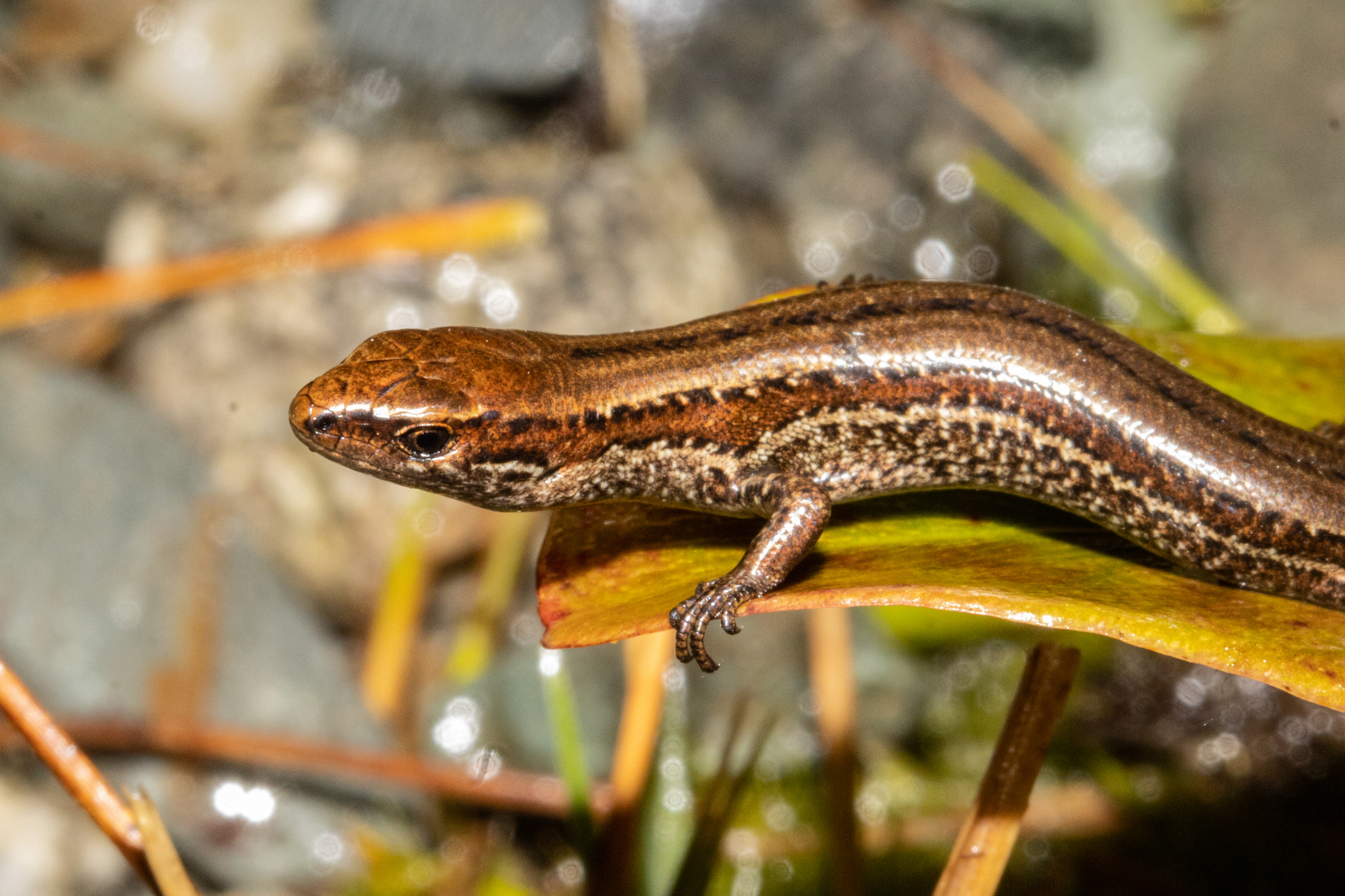
Barkudia insularis, commonly known as the Madras spotted skink, is a critically endangered limbless skink which was described in 1917 by Nelson Annandale and rediscovered in the wild in 2003. Little is known about the species but it was previously believed to be found only in the mangrove habitats near Barkuda Island in Chilka Lake, Odisha, India. Later observations in adjoining parts of Odisha indicate a larger range within the state.
The lizard looks like a large earthworm and lives in the subsoil and probably feeds on small arthropods.
Barkudia insularis faces severe threats from its extremely restricted range on Barkuda Island in Chilika Lake, Odisha, India. The species is critically endangered due to habitat degradation from human encroachment, livestock grazing, and changes in the lake's salinity levels that affect the island's vegetation. Introduced predators and potential hybridization with other gecko species pose additional risks to this endemic population.
Habitat
This endemic gecko inhabits the rocky outcrops and sparse vegetation of Barkuda Island, a small island within Chilika Lake, Asia's largest brackish water lagoon. The species is adapted to the unique microhabitat conditions created by the island's position within this dynamic coastal ecosystem.
Conservation measures underway
Other threatened species in SCINCIDAE

Threatened in India


Frequently asked questions
Why is Madras Spotted Skink classified as Critically Endangered?
Where does Madras Spotted Skink live?
What are the main threats to Madras Spotted Skink?
Get weekly conservation intelligence
One short digest a week of the most striking species and country data we ship, plus breaking conservation news paired with our database where it matters.
Free, no spam. One-click unsubscribe in every email.