Branchinecta longiantenna
Overview
A detailed profile for this species is sourced from the IUCN Red List of Threatened Species as assessments become available.
Branchinecta longiantenna faces severe threats from habitat destruction due to urban development and agricultural expansion in California's Central Valley. The species' dependence on ephemeral pools makes it extremely vulnerable to hydrological changes from groundwater pumping and altered precipitation patterns. Climate change poses an additional threat by disrupting the precise timing of pool formation and drying cycles essential for completing its life cycle.
Habitat
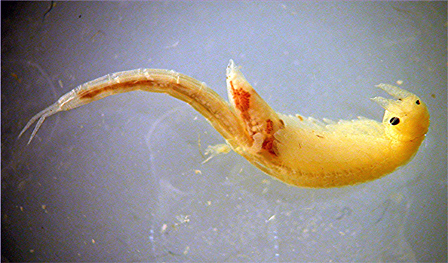
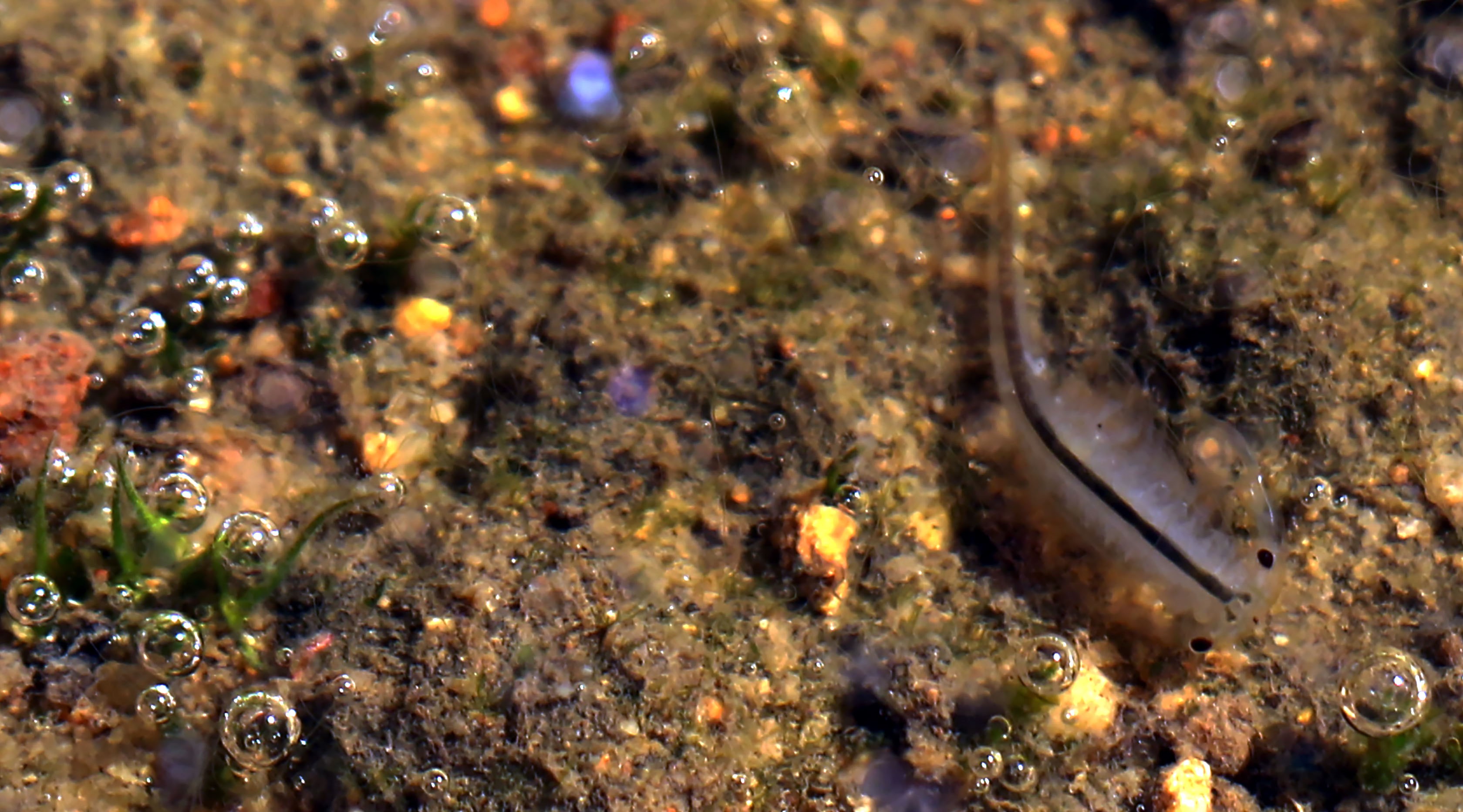
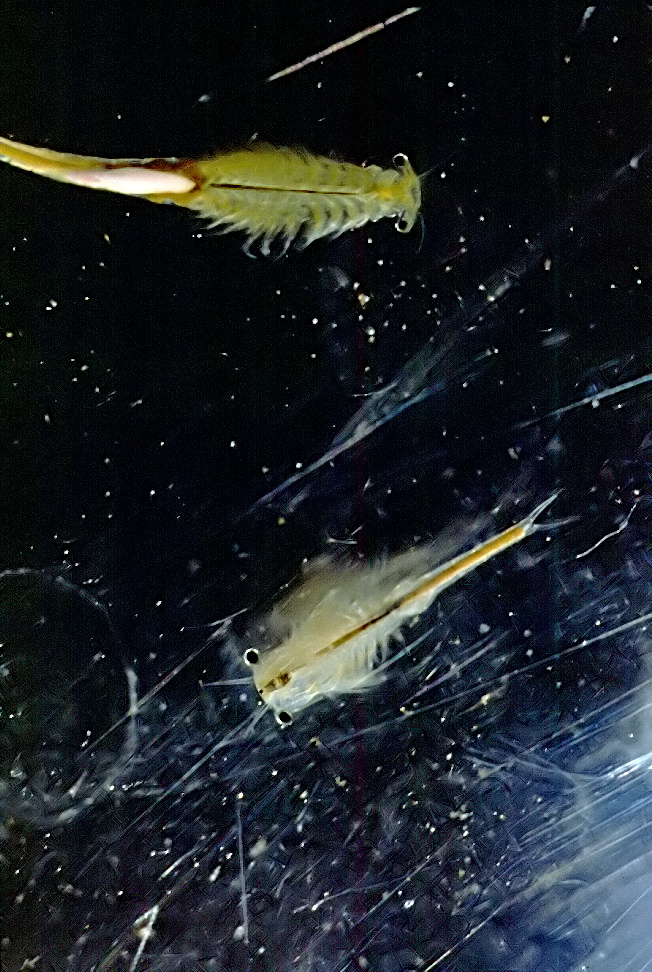
This fairy shrimp is endemic to seasonal vernal pools and ephemeral wetlands in California's Central Valley and surrounding foothills. These temporary pools fill with winter rains and gradually dry through spring, providing the specific hydroperiod required for the species' reproductive cycle.
Other threatened species in BRANCHINECTIDAE
Threatened in United States
Frequently asked questions
Why is Branchinecta longiantenna classified as Endangered?
Where does Branchinecta longiantenna live?
What are the main threats to Branchinecta longiantenna?
Get weekly conservation intelligence
One short digest a week of the most striking species and country data we ship, plus breaking conservation news paired with our database where it matters.
Free, no spam. One-click unsubscribe in every email.