
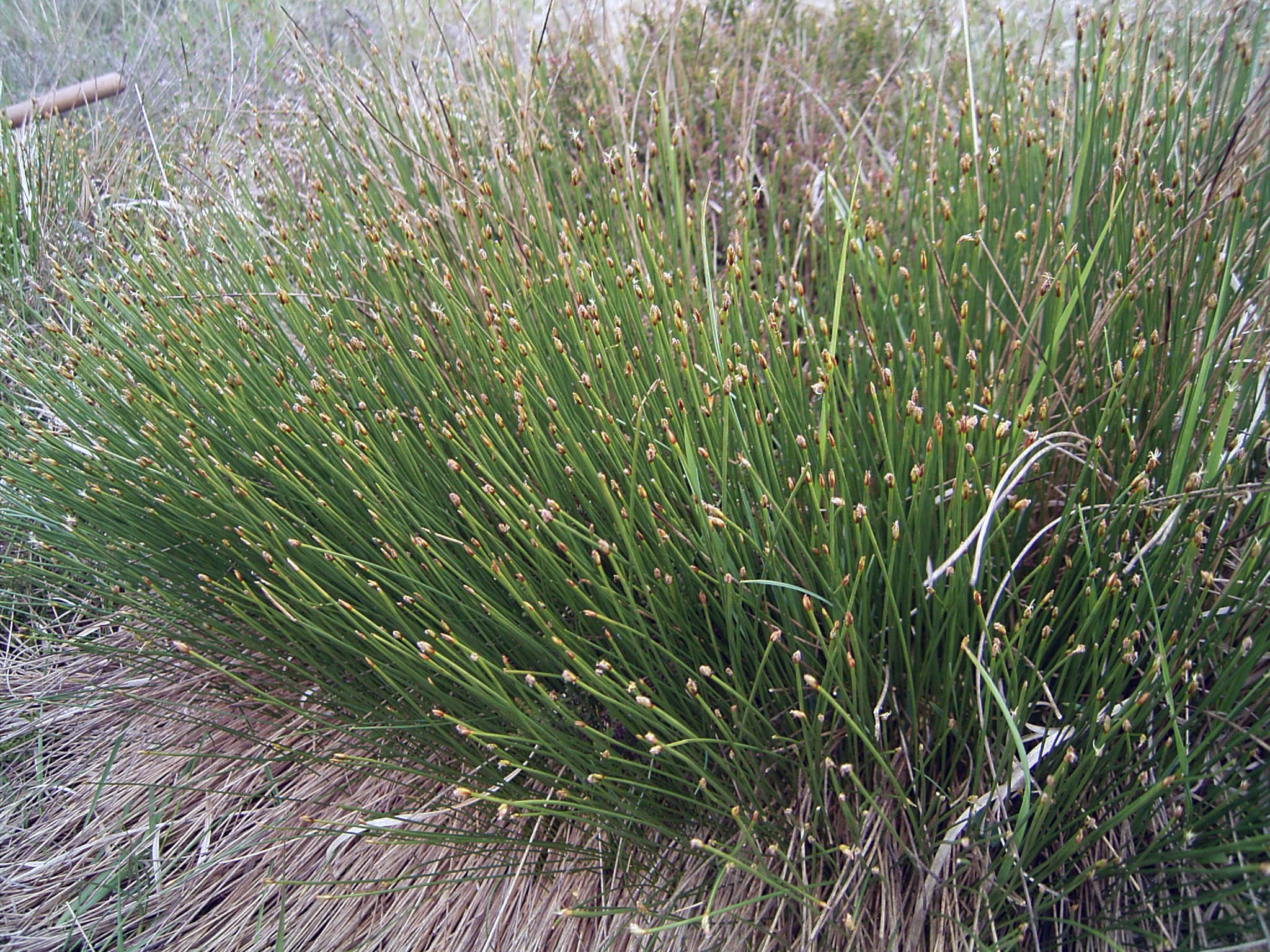
Long-stalked Yellow sedge
Carex lepidocarpa
Photo: Wikimedia Commons (CC) via https://en.wikipedia.org/wiki/Carex_lepidocarpa
Overview
Carex lepidocarpa, called the long-stalked yellow-sedge, is a species of flowering plant in the genus Carex, native to eastern Canada, Morocco, and most of Europe. It is a member of the Carex flava species complex.
Long-stalked Yellow-sedge (Carex lepidocarpa) is critically endangered primarily due to habitat loss and degradation of its specialized wetland environments. The species requires specific calcareous fen and marsh conditions that are increasingly rare due to drainage, agricultural conversion, and water table changes. Climate change and altered hydrology further threaten the remaining fragmented populations.
Habitat
Other threatened species in Cyperaceae


Frequently asked questions
Why is Long-stalked Yellow sedge classified as Critically Endangered?
Where does Long-stalked Yellow sedge live?
What are the main threats to Long-stalked Yellow sedge?
Get weekly conservation intelligence
One short digest a week of the most striking species and country data we ship, plus breaking conservation news paired with our database where it matters.
Free, no spam. One-click unsubscribe in every email.