Lithophyllon ranjithi
Overview
A detailed profile for this species is sourced from the IUCN Red List of Threatened Species as assessments become available.
Lithophyllon ranjithi faces severe threats from coral reef degradation driven by rising sea temperatures and ocean acidification, which compromise the structural integrity of its calcium carbonate skeleton. Coastal development and sedimentation from land-based activities further stress this endemic coral species, while destructive fishing practices and pollution from agricultural runoff create additional pressures on its already limited reef habitat.
Habitat
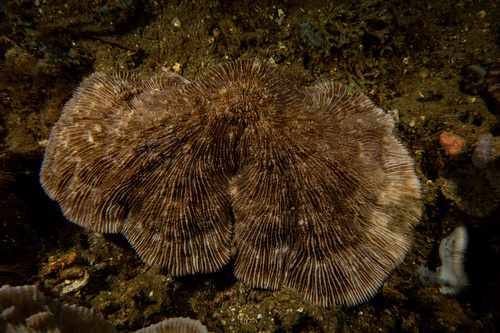
This coral species inhabits shallow tropical reef environments in the Indo-Pacific region, typically found in clear waters with moderate to strong currents. It forms part of complex coral reef ecosystems where it contributes to reef structure and provides habitat for numerous marine species.
Other threatened species in Fungiidae

Threatened in Indonesia

Frequently asked questions
Why is Lithophyllon ranjithi classified as Endangered?
Where does Lithophyllon ranjithi live?
What are the main threats to Lithophyllon ranjithi?
Get weekly conservation intelligence
One short digest a week of the most striking species and country data we ship, plus breaking conservation news paired with our database where it matters.
Free, no spam. One-click unsubscribe in every email.