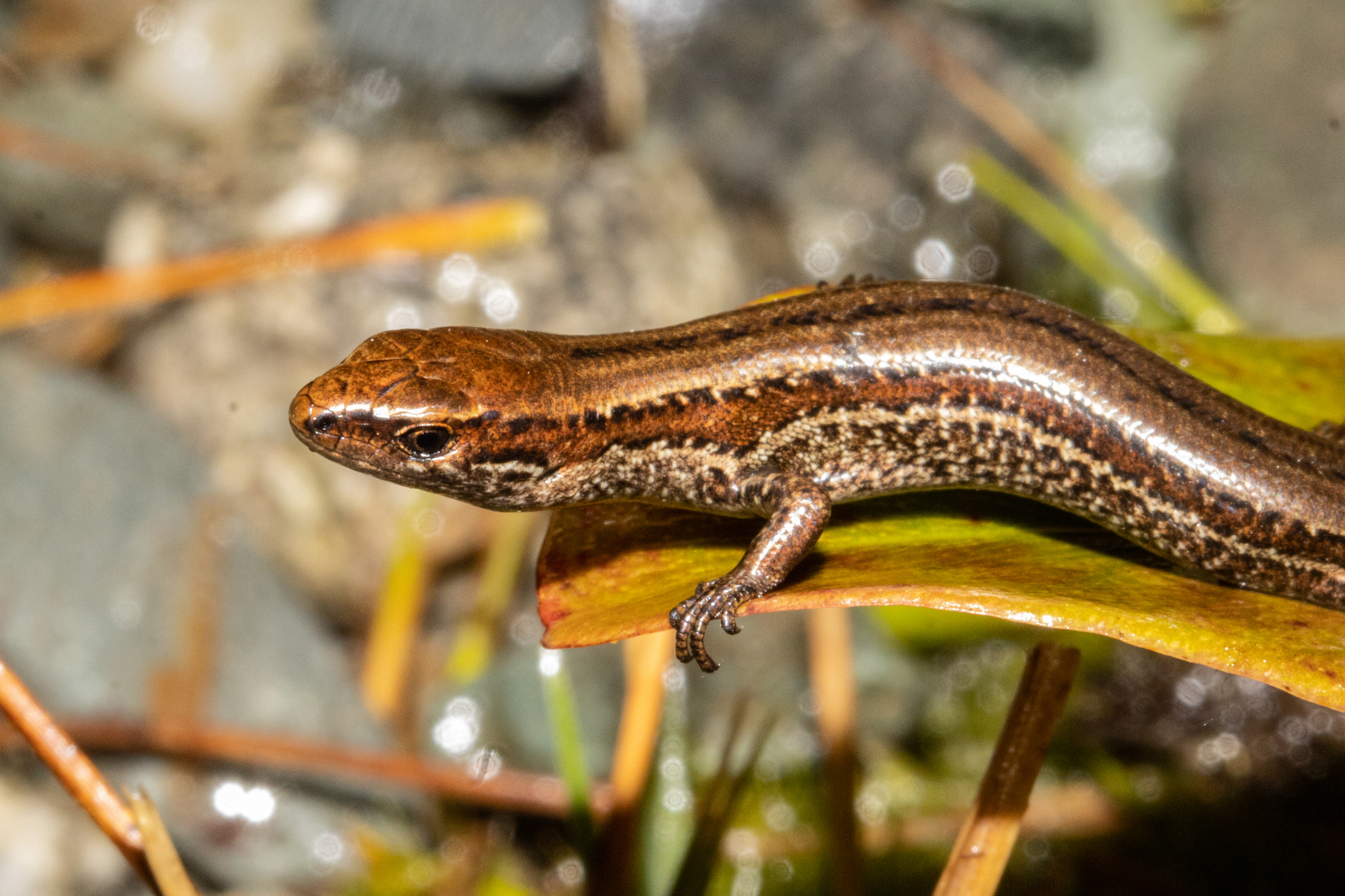
Eastern Mourning Skink
Lissolepis coventryi
Overview
Lissolepis coventryi is a small, elongate skink within the family Scincidae, characterized by smooth, glossy scales and a cryptic coloration that provides camouflage among dense ground vegetation. Like other members of its genus, it is likely a ground-dwelling, semi-aquatic species that forages for invertebrates in and around damp vegetation, contributing to invertebrate population control and serving as prey for birds and other predators within its ecosystem.
This species is endemic to Australia, occupying a range of habitats including shrubland, inland wetlands such as bogs, marshes, swamps, and fens, permanent freshwater lake margins, and coastal or supratidal zones. Its reliance on moist, vegetated microhabitats makes it particularly sensitive to changes in water availability and ground cover.
The species faces multiple ongoing pressures. Conversion of land for annual and perennial non-timber crops has reduced and fragmented suitable habitat, while logging and wood harvesting degrade the vegetative cover it depends on for shelter and moisture retention. Broader ecosystem modifications, including drainage and hydrological changes to wetlands, further diminish habitat quality.
Invasive species, potentially including predators and competitors, add additional strain, compounded by other unspecified threats.
Conservation measures for this species are not well documented publicly, though its listing as Endangered under IUCN criteria typically prompts habitat protection considerations within affected regions, and monitoring of wetland and shrubland ecosystems in Australia may incidentally benefit this species. Targeted population surveys and habitat management specific to this skink are needed but not confirmed at scale.
Current population figures are not available, but the population trend is confirmed as decreasing. Given the ongoing and multiple threats to its habitat, the species' outlook remains concerning, with continued decline likely absent targeted intervention and habitat safeguards.
The Eastern Mourning Skink faces ongoing habitat loss as land is cleared for crop farming and logging, along with other disruptive changes to its natural environment. It also faces pressure from invasive species that may prey on or compete with it, plus additional unspecified risks. These combined threats appear to be persistent and stable rather than clearly worsening or improving, based on current information.
Habitat
Other threatened species in SCINCIDAE

Threatened in Australia
Frequently asked questions
Why is Eastern Mourning Skink classified as Endangered?
Where does Eastern Mourning Skink live?
What are the main threats to Eastern Mourning Skink?
Get weekly conservation intelligence
One short digest a week of the most striking species and country data we ship, plus breaking conservation news paired with our database where it matters.
Free, no spam. One-click unsubscribe in every email.