Guthega Skink
Liopholis guthega
Overview
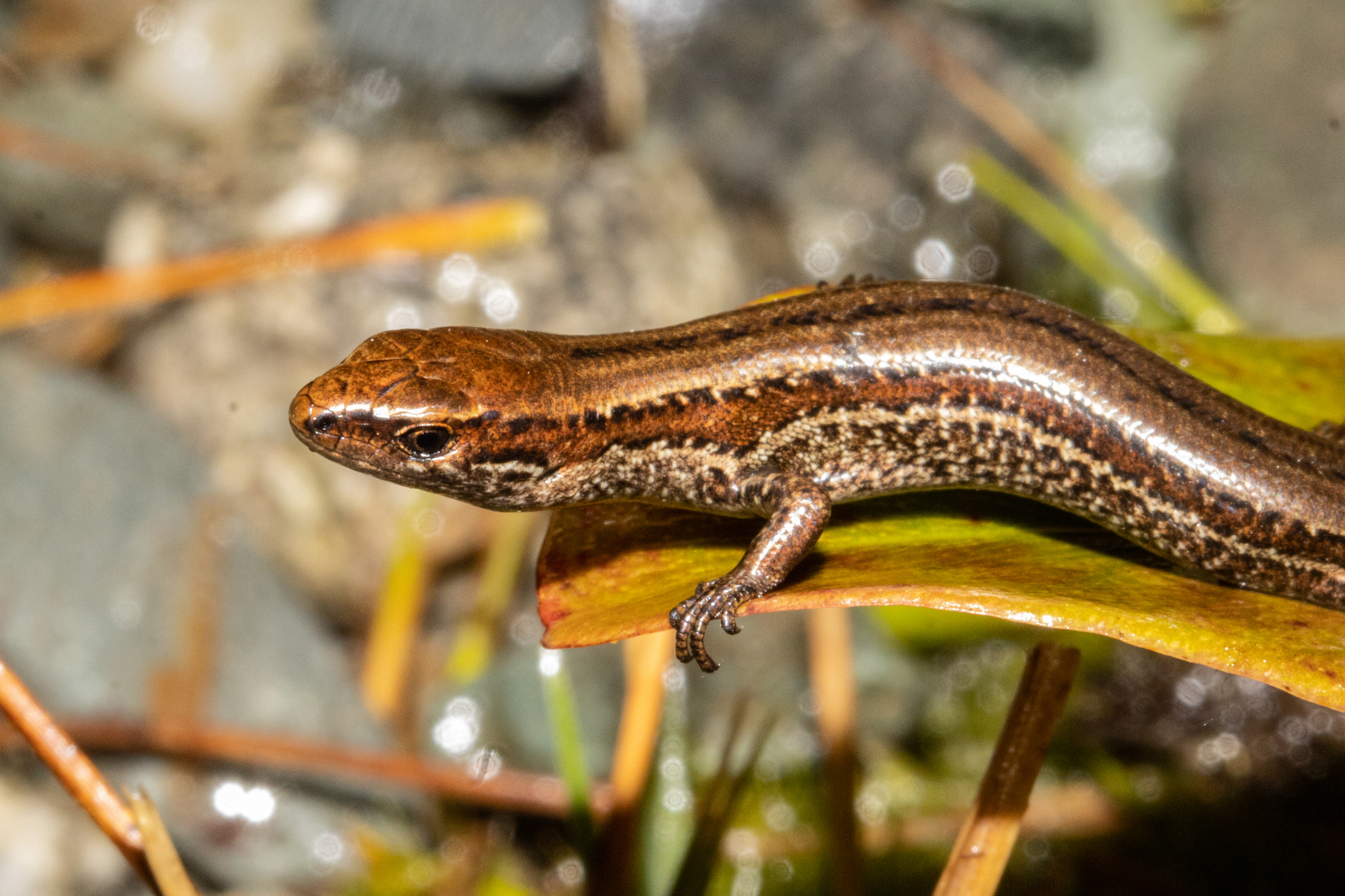
The Guthega skink is a medium-sized, viviparous member of the family Scincidae, characterized by smooth, glossy scales and a robust body typical of the genus Liopholis. Like other members of this genus, it is likely to exhibit social behavior, sheltering in family groups within burrow systems, and it forages for invertebrates and plant material near its burrow entrances. As an insectivorous reptile, it contributes to local invertebrate population control and serves as prey for birds and mammals within alpine and subalpine food webs.
This species is restricted to the alpine and subalpine regions of southeastern Australia, particularly areas associated with the Snowy Mountains region of New South Wales. It occupies high-elevation herbfields and grasslands, often in association with rocky outcrops or boulder fields that provide burrowing substrate and thermal refuge.
The species faces several ongoing pressures. Livestock grazing degrades vegetation structure and soil stability in its restricted habitat. Roads fragment populations and increase mortality risk. Climate-driven habitat shifting is altering the alpine conditions this cold-adapted species depends on, potentially compressing its already limited range. Invasive species, including predators and competitors, add further pressure to small, isolated populations.
Conservation attention for this species is linked to broader alpine ecosystem management in protected areas such as Kosciuszko National Park, where feral animal control, grazing restrictions, and habitat monitoring programs are in place. Research into population distribution and genetic structure supports ongoing management decisions.
Given its narrow range, specialized habitat requirements, and multiple concurrent threats, the species' population trend remains decreasing. Its restriction to high-altitude environments makes it particularly vulnerable to continued climatic change, and its long-term outlook depends on sustained habitat protection and threat mitigation within a limited geographic area.
The Guthega Skink faces ongoing pressure from livestock grazing that damages its natural habitat, as well as roads that can fragment its living space and put animals at risk from vehicles. It's also affected by a changing environment, likely linked to shifting weather patterns and climate conditions, and by invasive species or diseases that outcompete or harm it. All of these threats are currently listed as ongoing, suggesting the situation is stable but not improving.
Conservation measures underway
Other threatened species in SCINCIDAE

Threatened in Australia
Frequently asked questions
Why is Guthega Skink classified as Endangered?
Where does Guthega Skink live?
What are the main threats to Guthega Skink?
Get weekly conservation intelligence
One short digest a week of the most striking species and country data we ship, plus breaking conservation news paired with our database where it matters.
Free, no spam. One-click unsubscribe in every email.