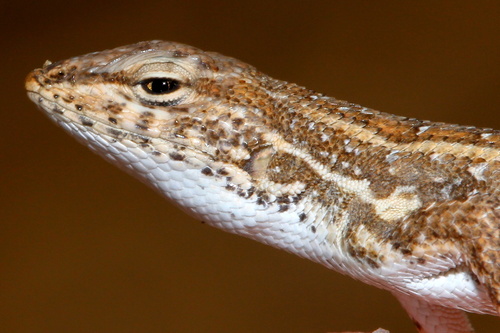
Liolaemus azarai
Photo: (c) Robert Langstroth, some rights reserved (CC BY-NC), uploaded by Robert Langstroth
Overview
Liolaemus azarai, or Azara's Lizard, is a species of lizard in the family Liolaemidae. The species is native to Argentina and Paraguay.
Liolaemus azarai faces severe threats from agricultural expansion and livestock grazing that have dramatically reduced its specialized grassland habitat. Urban development and infrastructure projects continue to fragment the remaining suitable areas, while invasive plant species alter the native vegetation structure this lizard depends on for shelter and foraging.
Habitat
This species inhabits temperate grasslands and sandy coastal areas in Uruguay and southern Brazil. It requires well-drained soils with sparse to moderate vegetation cover, often found in areas with native bunch grasses and low shrubs.
Conservation measures underway
Other threatened species in LIOLAEMIDAE
Threatened in Argentina

Frequently asked questions
Why is Liolaemus azarai classified as Critically Endangered?
Where does Liolaemus azarai live?
What are the main threats to Liolaemus azarai?
Get weekly conservation intelligence
One short digest a week of the most striking species and country data we ship, plus breaking conservation news paired with our database where it matters.
Free, no spam. One-click unsubscribe in every email.