Limbless Fine-lined Slider
Lerista ameles
Overview
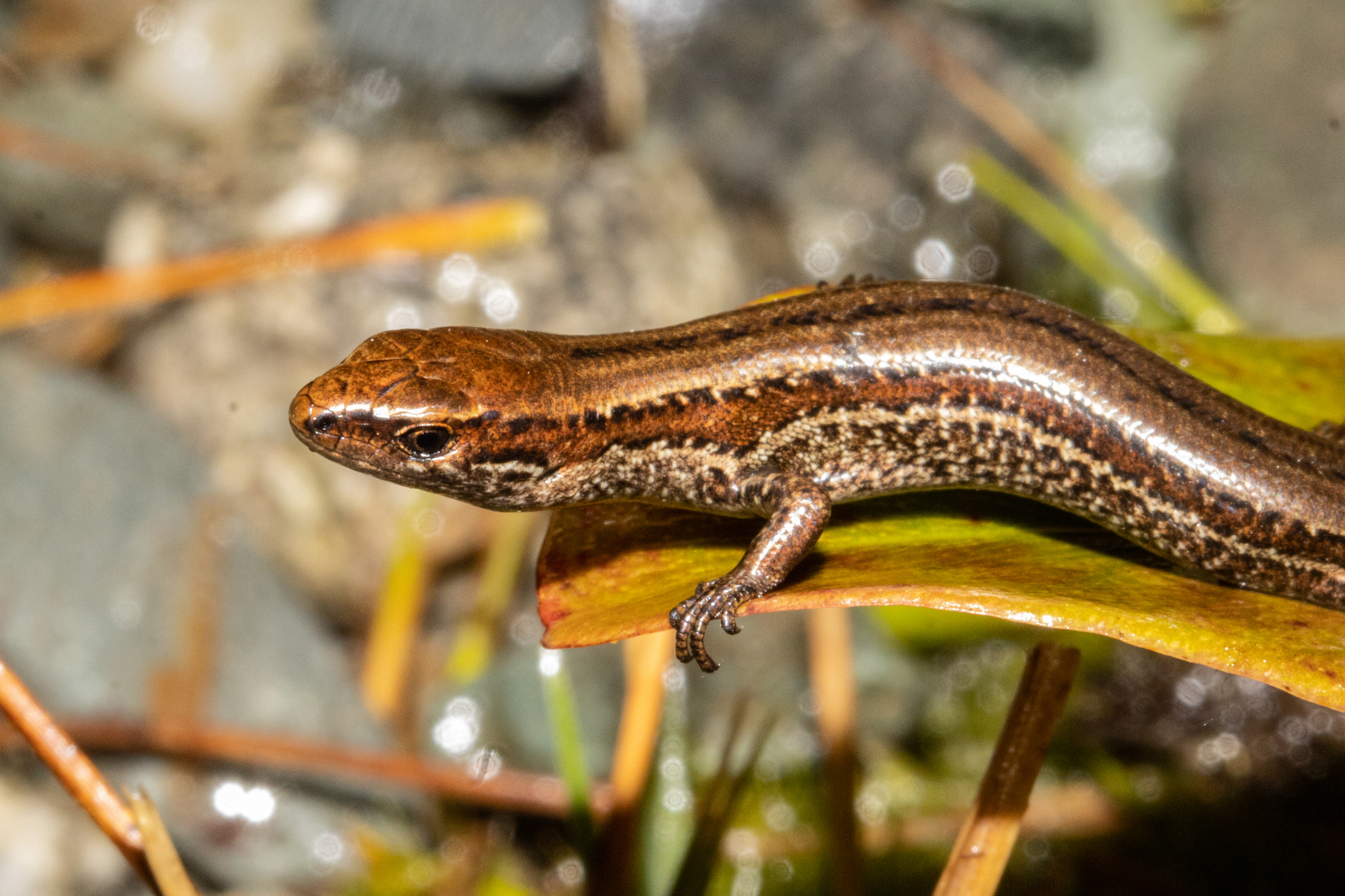
Lerista ameles is a limbless skink, one of many species within the genus Lerista that have undergone evolutionary reduction of the limbs, resulting in an elongated, serpentine body suited to a burrowing lifestyle. Like other members of this genus, it likely spends most of its life moving through loose soil, leaf litter, or sand beneath surface debris, using its smooth scales and streamlined form to "swim" through substrate rather than crawl across it. As an insectivorous burrower, it probably contributes to soil turnover and serves as a prey item for birds and small predators, playing a modest but functional role in the leaf-litter and topsoil ecosystem it inhabits.
The species is endemic to Australia, where it occupies forest and savanna habitats. Its known range is considered limited, and it depends on the structural integrity of ground-level cover such as leaf litter, fallen timber, and loose soil for shelter and foraging.
The primary threats to Lerista ameles stem from livestock farming and ranching, which degrades habitat through soil compaction, vegetation clearing, and the disruption of ground cover that this fossorial species relies on. Invasive non-native species and associated diseases pose an additional ongoing threat, potentially affecting the skink through predation, competition, or habitat alteration.
Conservation measures specific to this species are not well documented, though it would likely benefit from broader habitat protection initiatives, livestock management reforms in its range, and invasive species control programs operating within Australian forest and savanna ecosystems.
The species is currently classified as Endangered, with a decreasing population trend. Given the ongoing and unresolved nature of the threats it faces, its conservation outlook remains concerning without targeted intervention.
This species faces ongoing pressure from livestock grazing, which can degrade or disturb the natural habitat it depends on, as well as from invasive non-native species and diseases that may compete with, prey on, or otherwise harm it. Both of these threats are currently classified as ongoing rather than emerging or historical, suggesting a persistent, stable level of risk rather than one that is rapidly worsening.
Habitat
Conservation measures underway
Other threatened species in SCINCIDAE

Threatened in Australia
Frequently asked questions
Why is Limbless Fine-lined Slider classified as Endangered?
Where does Limbless Fine-lined Slider live?
What are the main threats to Limbless Fine-lined Slider?
Get weekly conservation intelligence
One short digest a week of the most striking species and country data we ship, plus breaking conservation news paired with our database where it matters.
Free, no spam. One-click unsubscribe in every email.