Storr's Lerista
Lerista storri
Overview
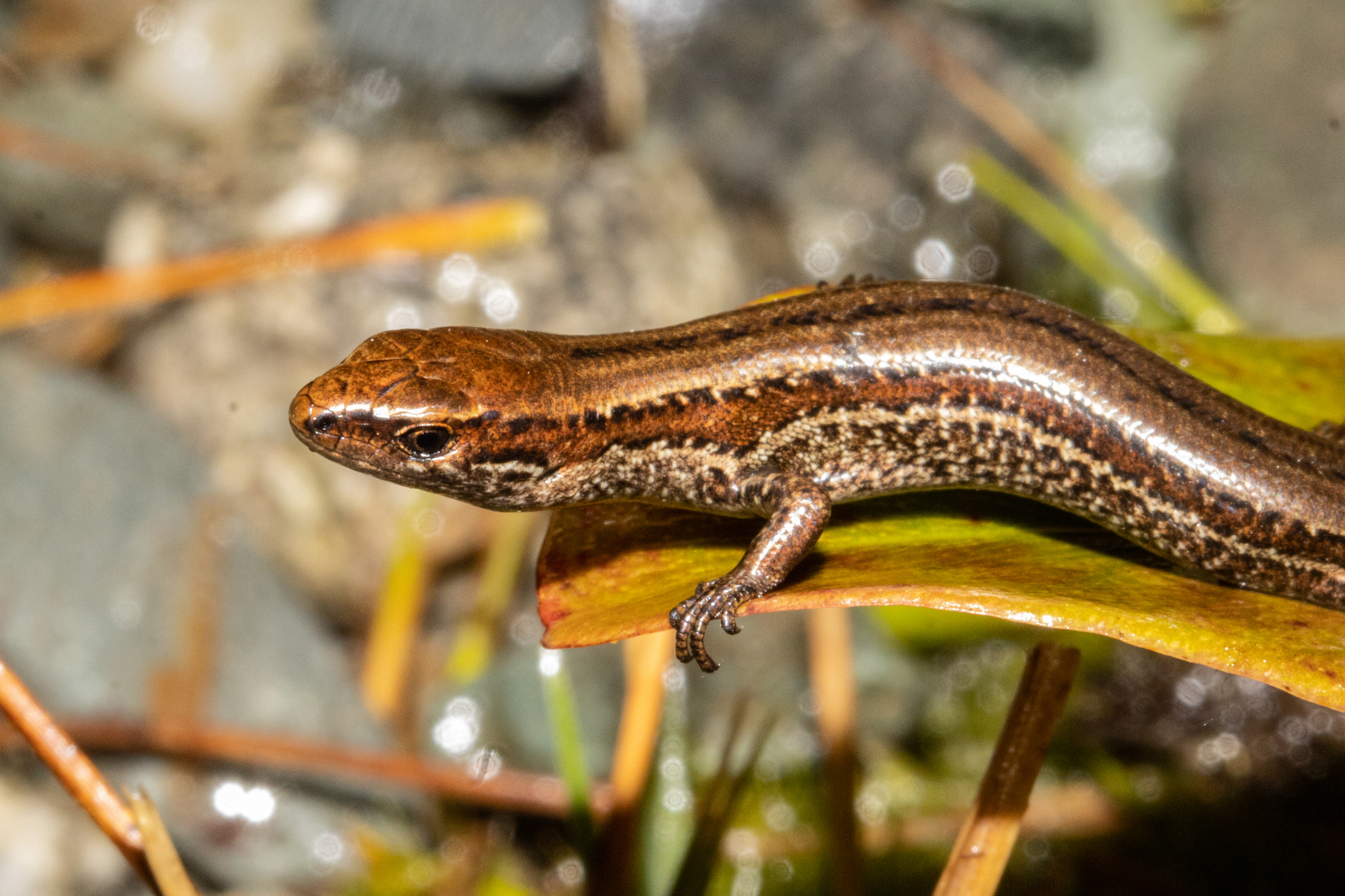
This small, elongate skink belongs to the genus Lerista, a group of Australian scincids known for reduced limbs and a burrowing lifestyle adapted to sandy and loose soils. Like other members of its genus, it is likely fossorial or semi-fossorial, moving through leaf litter and loose substrate with a serpentine motion rather than relying heavily on its limbs. Skinks of this type typically feed on small invertebrates and, through this activity, contribute to soil turnover and act as a food source for larger predators within their ecosystem.
Storr's Lerista is restricted to a limited range in Queensland, Australia, where it inhabits forest environments, sheltering under leaf litter, fallen timber, and surface debris that maintain the moisture and temperature conditions it needs.
The species faces multiple ongoing pressures. Livestock farming and ranching degrade habitat structure and compact soils, reducing the leaf litter and ground cover the species depends on. Invasive species, including predators and competitors, add additional pressure on already small populations.
Accumulation of garbage and solid waste alters microhabitat conditions, while altered fire regimes and fire suppression practices change vegetation structure and the availability of shelter sites, both directly and indirectly affecting survival.
Conservation attention for this species centers on habitat protection within its known range and monitoring efforts to better understand its distribution and population status, given its narrow geographic footprint. Broader land management practices aimed at reducing overgrazing and controlling invasive species may offer incidental benefit.
No reliable population figures are available, but the population trend is recorded as decreasing. Given its restricted range and the continued presence of multiple concurrent threats, the species' conservation outlook remains precarious, consistent with its Critically Endangered status.
Storr's Lerista, a small burrowing skink, faces ongoing pressure from cattle and livestock grazing that damages its natural habitat, along with competition or predation from introduced animal species. Litter and solid waste accumulation in its environment, combined with wildfires and fire management practices, further degrade the areas where it lives. Based on the available information, these threats appear to be ongoing and stable rather than clearly worsening or improving.
Habitat
Conservation measures underway
Other threatened species in SCINCIDAE

Threatened in Australia
Frequently asked questions
Why is Storr's Lerista classified as Critically Endangered?
Where does Storr's Lerista live?
What are the main threats to Storr's Lerista?
Get weekly conservation intelligence
One short digest a week of the most striking species and country data we ship, plus breaking conservation news paired with our database where it matters.
Free, no spam. One-click unsubscribe in every email.