Rochford Slider
Lerista rochfordensis
Overview
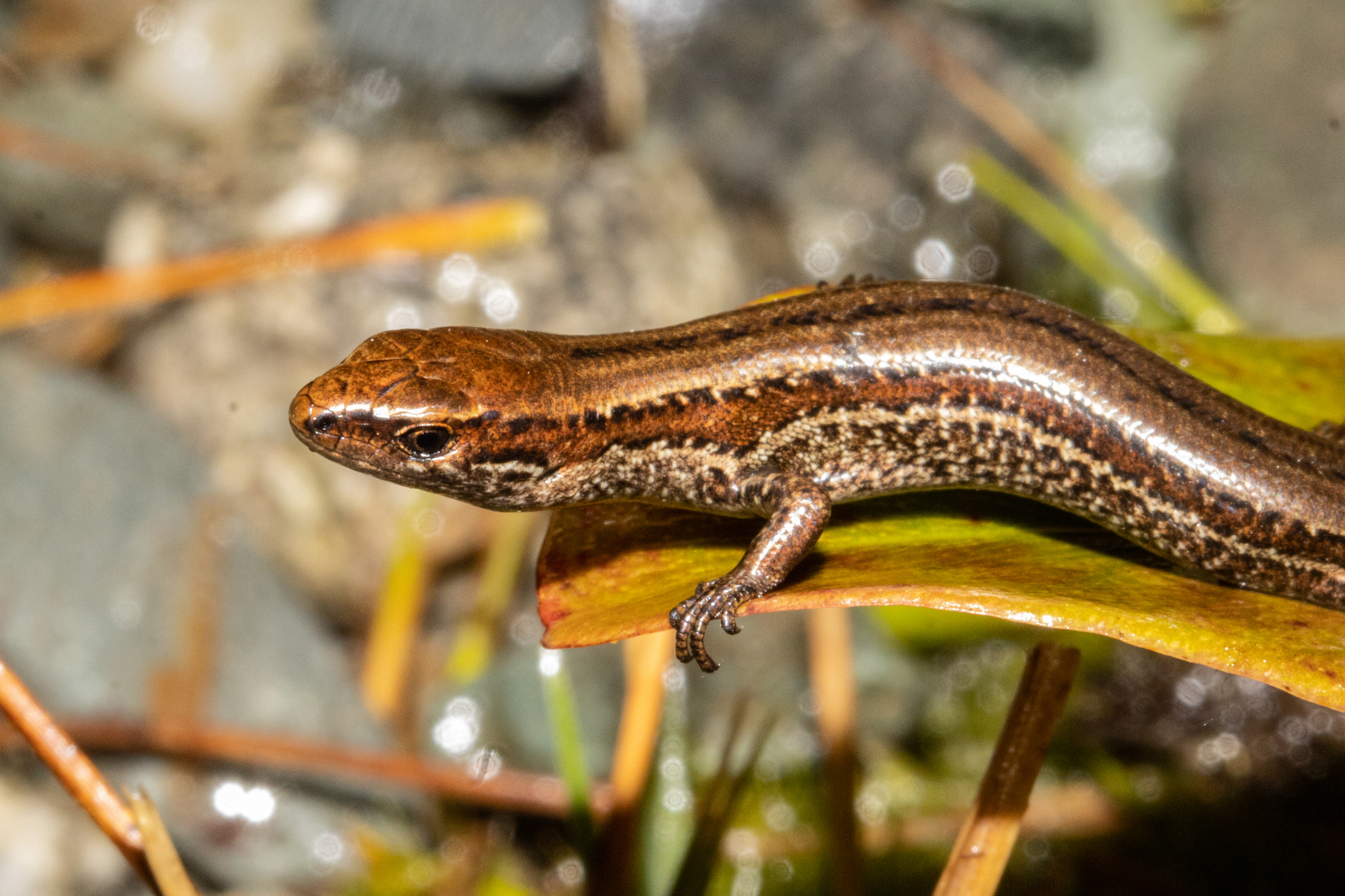
Lerista rochfordensis is a small, elongate skink belonging to the diverse genus Lerista, a group known for its reduced or absent limbs and burrowing, sand-swimming locomotion. Like its relatives, this species likely has smooth, cylindrical scales and a wedge-shaped snout adapted for pushing through loose soil and leaf litter. Its cryptic, subterranean lifestyle means it spends much of its time beneath the surface, emerging to forage for small invertebrates such as ants, termites, and other soft-bodied prey.
In this role, it contributes to soil turnover and serves as a prey item for birds and small predators, forming part of the broader shrubland food web.
The species is endemic to Australia, where it occupies shrubland habitats characterized by loose, sandy or friable substrates that support its burrowing behavior. Its distribution is limited, and detailed range-wide population data are lacking.
The Rochford Slider is classified as Vulnerable, primarily due to habitat degradation from livestock farming and ranching, which compacts soil, removes vegetation cover, and alters the microhabitat conditions the species depends on for burrowing and thermoregulation. Invasive non-native species, including predators and species that compete for resources or alter habitat structure, pose an additional ongoing threat.
Specific conservation programs targeting this species are not well documented, though it may benefit indirectly from broader shrubland conservation and land management efforts in Australia aimed at reducing grazing pressure and controlling invasive species.
Population trends remain unknown, limiting precise assessment of trajectory. Given continued livestock-related habitat pressure and invasive species impacts, the species' status is unlikely to improve without targeted habitat protection and monitoring.
The Rochford Slider faces ongoing pressure from livestock grazing and ranching activities, which likely degrade or alter its natural habitat, along with harm from invasive non-native species and diseases that may compete with, prey on, or infect this species. Based on the available information, these threats appear to be persistent and stable rather than clearly increasing or decreasing.
Habitat
Conservation measures underway
Other threatened species in SCINCIDAE

Threatened in Australia
Frequently asked questions
Why is Rochford Slider classified as Vulnerable?
Where does Rochford Slider live?
What are the main threats to Rochford Slider?
Get weekly conservation intelligence
One short digest a week of the most striking species and country data we ship, plus breaking conservation news paired with our database where it matters.
Free, no spam. One-click unsubscribe in every email.