Lerista chordae
Overview
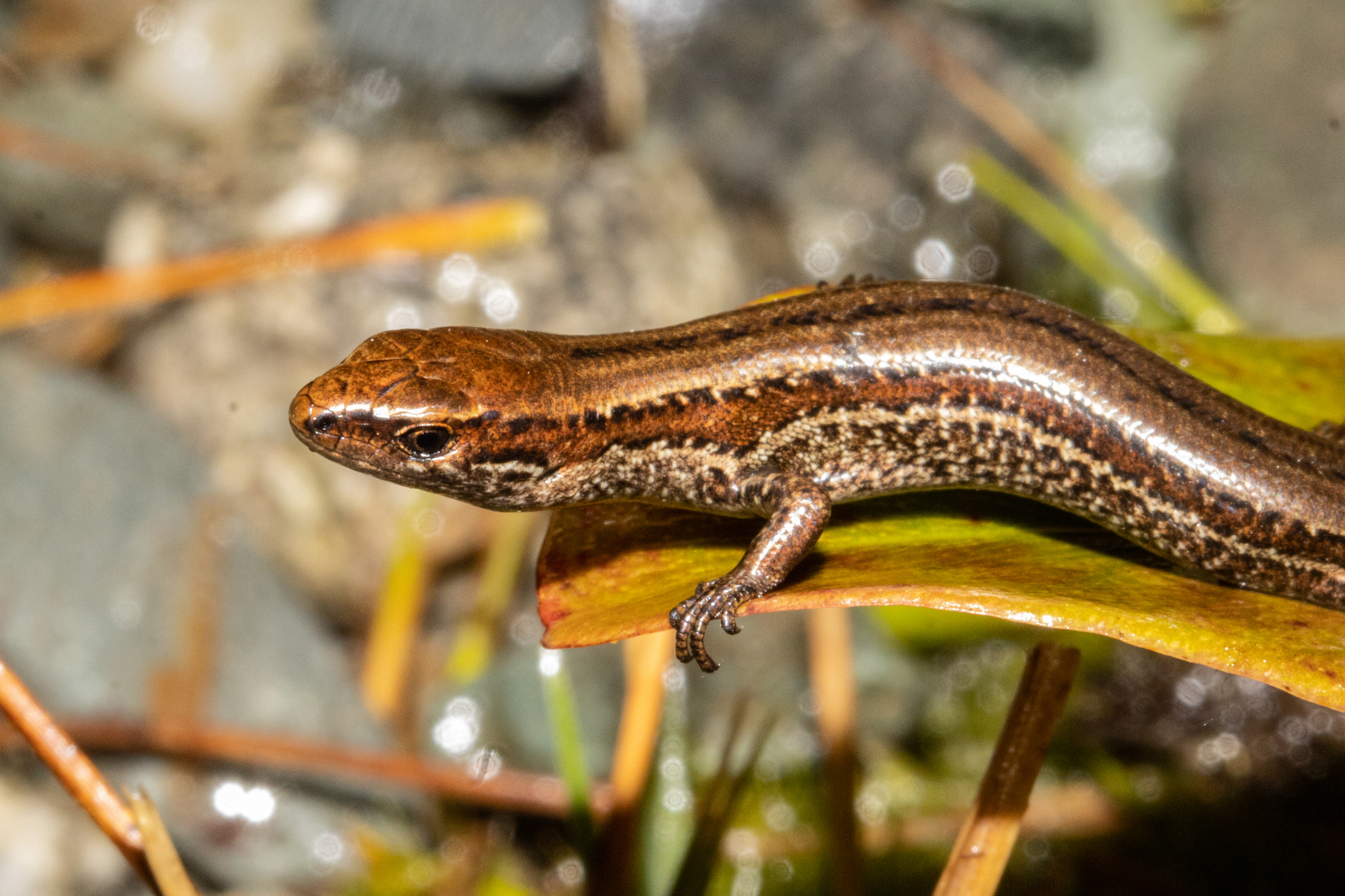
This slender, limbless skink belongs to the genus Lerista, a group of Australian scincid lizards characterized by elongated bodies and, in many species, reduced or absent limbs adapted for burrowing through soil and leaf litter. Like its congeners, Lerista chordae is likely a secretive, fossorial or semi-fossorial reptile, spending much of its time beneath surface debris, loose soil, or leaf litter rather than in the open. Such skinks typically feed on small invertebrates and contribute to soil turnover and nutrient cycling within their habitat, while also serving as prey for birds and other small predators.
The species is endemic to Australia, where it inhabits forested environments. Its distribution appears to be geographically restricted, a common trait among Lerista species, many of which have narrow ranges tied to specific soil types, leaf litter composition, or microclimatic conditions within forest ecosystems.
The primary documented threat to Lerista chordae is habitat degradation associated with livestock farming and ranching, an ongoing pressure. Grazing and associated land-use practices can compact soil, reduce leaf litter and ground cover, and alter the microhabitat structure that fossorial skinks depend on for shelter, moisture retention, and foraging.
Specific conservation programs targeting this species are not well documented, though it is assessed under the IUCN Red List as Vulnerable, which provides a framework for monitoring and informs broader land management and habitat protection discussions in its range.
Given its restricted habitat, ongoing livestock-related pressures, and declining population trend, the species' outlook remains concerning without targeted habitat protection measures to curb further degradation of its forest habitat.
Lerista chordae is mainly threatened by ongoing livestock farming and ranching activities, which can degrade or alter the natural habitat this lizard depends on, such as through land clearing, soil trampling, and vegetation loss caused by grazing animals. This ongoing pressure suggests the threat is stable rather than increasing or decreasing based on current information.
Habitat
Other threatened species in SCINCIDAE

Threatened in Australia
Frequently asked questions
Why is Lerista chordae classified as Vulnerable?
Where does Lerista chordae live?
What are the main threats to Lerista chordae?
Get weekly conservation intelligence
One short digest a week of the most striking species and country data we ship, plus breaking conservation news paired with our database where it matters.
Free, no spam. One-click unsubscribe in every email.