Lancelin Island Skink
Ctenotus lancelini
Overview
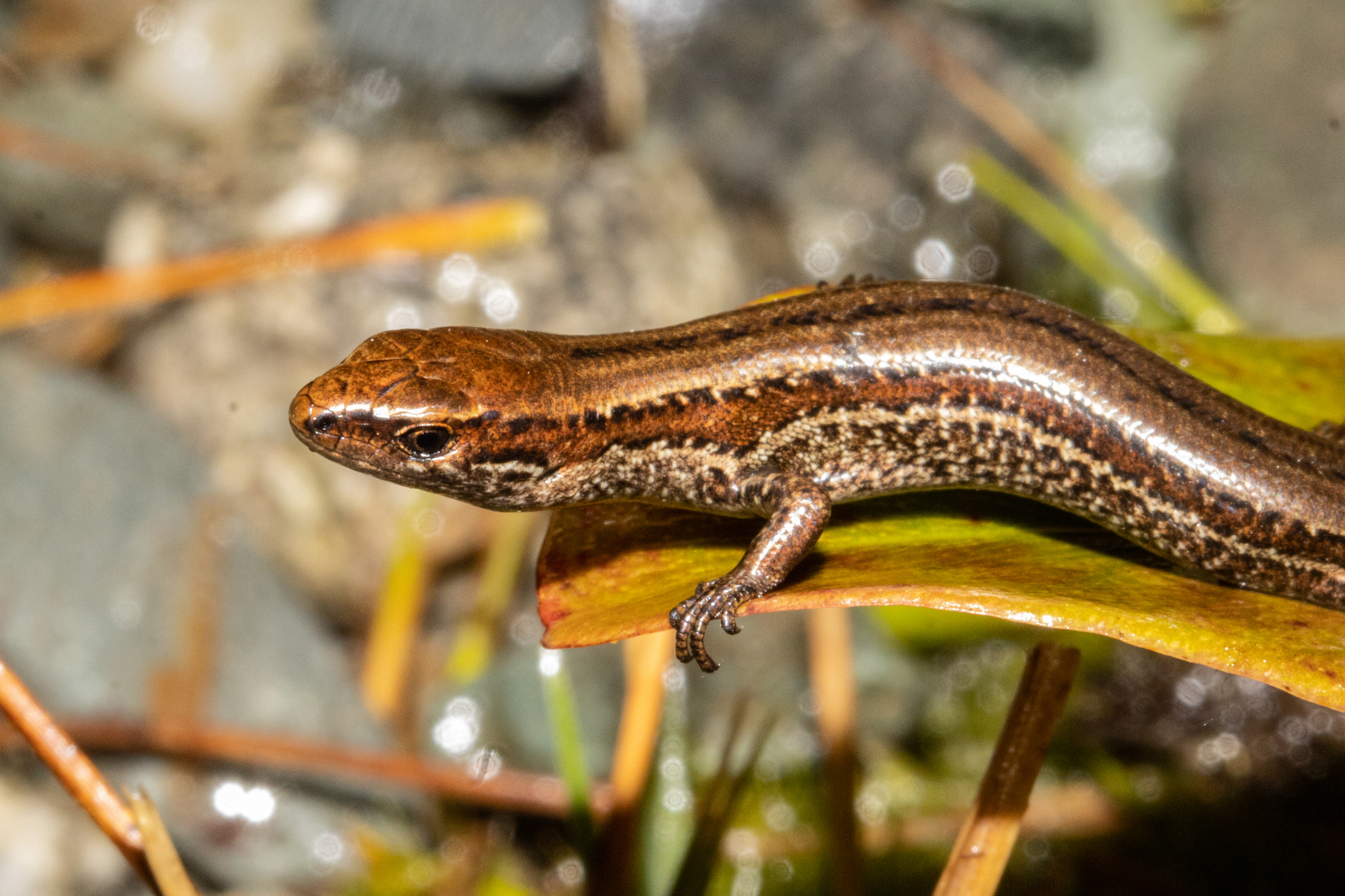
Ctenotus lancelini is a small, ground-dwelling skink within the family Scincidae, characterized by the smooth, glossy scales and streamlined body typical of the genus. Like other Ctenotus species, it is a diurnal, active forager, likely preying on small invertebrates while sheltering under rock crevices and surface debris during the heat of the day. As an insectivorous reptile, it likely contributes to local invertebrate population regulation within its ecosystem while also serving as prey for birds and other predators.
The species is endemic to Australia, with an extremely restricted distribution associated with rocky habitats. Its reliance on this specific substrate type limits its range considerably, leaving it vulnerable to localized disturbances that alter rock cover, soil composition, or vegetation structure.
The species faces a range of ongoing pressures. Invasive species pose a direct threat through predation or competition, while habitat alteration linked to urban and residential development, agricultural expansion, and mining and quarrying operations reduces available rocky habitat. Fire and altered fire regimes, along with storms and flooding, further degrade habitat quality.
Infrastructure development has fragmented remaining populations, and climate change is expected to alter soil conditions in ways that may affect microhabitat suitability.
Conservation attention for this Critically Endangered species is shaped by its formal Red List assessment, which has drawn attention to its extremely restricted range and the cumulative pressures it faces. Habitat protection measures relevant to its rocky habitat, along with monitoring efforts, are components of ongoing conservation consideration.
The population trend remains unknown, and no reliable population figures are available. Given its restricted habitat and the multiplicity of ongoing threats, its long-term outlook remains precarious without sustained habitat protection and monitoring.
The Lancelin Island Skink faces mounting pressure as its small habitat is cleared or altered for housing developments, mining and quarrying, and farmland expansion, while roads and other infrastructure break its remaining habitat into smaller, isolated patches. It also faces danger from introduced predators or competing species, along with natural disturbances like storms, flooding, and fires, which are becoming harder to predict as the climate changes and alters soil conditions the skink depends on. Overall, these combined pressures appear to be ongoing and intensifying rather than easing.
Habitat
This critically endangered skink inhabits specific sandy soils with sparse shrubland vegetation in the Perth region of Western Australia. It requires particular microhabitat conditions including loose sandy substrates and low shrub cover for foraging and shelter.
Conservation measures underway
Other threatened species in SCINCIDAE

Threatened in Australia
Frequently asked questions
Why is Lancelin Island Skink classified as Critically Endangered?
Where does Lancelin Island Skink live?
What are the main threats to Lancelin Island Skink?
Get weekly conservation intelligence
One short digest a week of the most striking species and country data we ship, plus breaking conservation news paired with our database where it matters.
Free, no spam. One-click unsubscribe in every email.