Calamus compsostachys
Overview
A detailed profile for this species is sourced from the IUCN Red List of Threatened Species as assessments become available.
Calamus compsostachys faces severe pressure from deforestation and forest degradation across its limited range in Southeast Asian lowland forests. The species is particularly vulnerable to palm oil plantation expansion and logging activities that destroy the primary forest canopy it depends on for climbing support. Overcollection for the rattan trade has further depleted wild populations, as this climbing palm produces commercially valuable cane used in furniture manufacturing.
Habitat
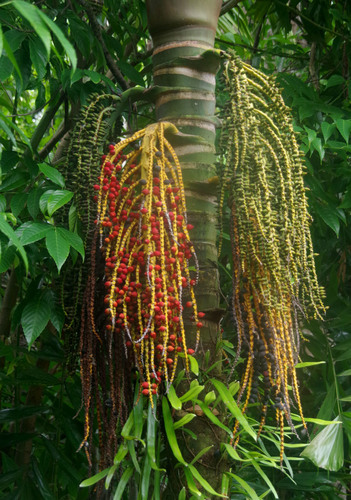
This climbing palm inhabits lowland tropical rainforests, typically found in primary forest understory where it climbs up tree trunks and canopy vegetation. The species requires intact forest ecosystems with adequate canopy cover and supporting trees for its climbing growth habit.
Other threatened species in ARECACEAE
Frequently asked questions
Why is Calamus compsostachys classified as Critically Endangered?
Where does Calamus compsostachys live?
What are the main threats to Calamus compsostachys?
Get weekly conservation intelligence
One short digest a week of the most striking species and country data we ship, plus breaking conservation news paired with our database where it matters.
Free, no spam. One-click unsubscribe in every email.