Matsudaira's Storm-petrel
Hydrobates matsudairae
Overview
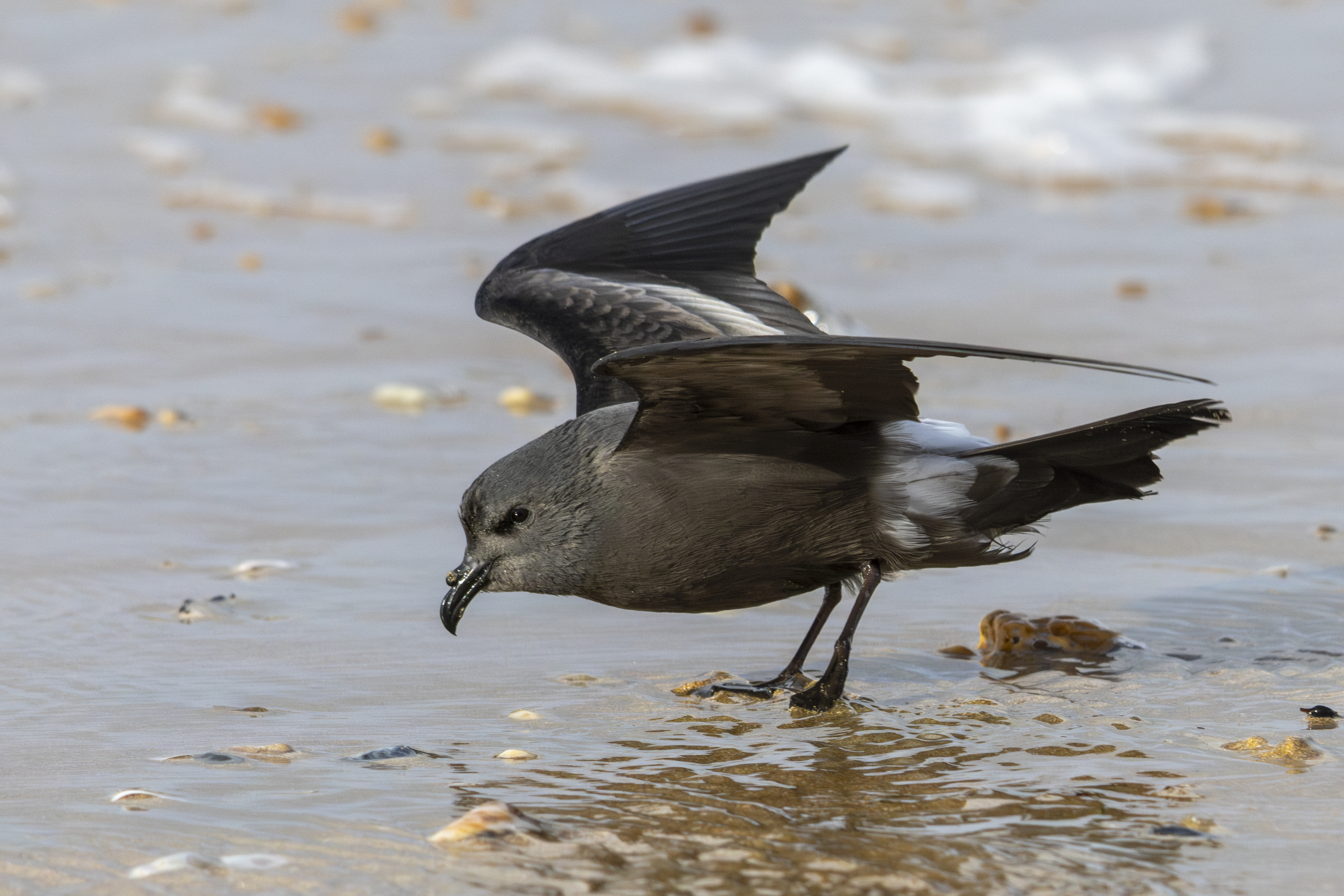
A medium-sized, all-dark storm-petrel, this species is distinguished by its sooty-brown plumage, forked tail, and pale carpal bar visible on the upperwing in flight. Like other members of Hydrobatidae, it forages by fluttering low over the ocean surface, picking small fish, squid, and planktonic prey from the water, often following weather fronts and upwelling zones where food concentrates. As a highly pelagic species, it spends the vast majority of its life at sea, coming to land only to breed, and it plays a role in marine food webs as both predator of small prey and prey for larger seabirds and marine predators.
The species is confined to the tropical and subtropical Indian and Pacific Oceans, with records spanning Seychelles, Somalia, Kenya, Australia, Malaysia, Japan, and even Brazil, reflecting its wide-ranging, oceanic, non-breeding dispersal. Its habitat is strictly marine oceanic waters far from shore; its breeding grounds are poorly documented, historically linked to a small number of remote island sites.
Its population trend is currently unknown, limiting precise assessment of decline. Threats include disturbance and habitat degradation associated with war, civil unrest, and military exercises in or near breeding areas, as well as increasing storm frequency and flooding events that can damage nesting habitat and disrupt breeding success.
Conservation measures specific to this species remain limited, constrained by the difficulty of studying a pelagic bird with poorly known breeding sites. Broader efforts include seabird bycatch reduction in longline fisheries and monitoring of remote island habitats across its range.
Given data gaps on population size and trend, and ongoing exposure to human conflict and climate-related threats, the species' conservation outlook remains uncertain, warranting its classification as Vulnerable pending further research.
Matsudaira's Storm-petrel faces disturbance from military activity and conflict in the areas where it lives and breeds, which can disrupt its nesting sites. It's also vulnerable to severe storms and flooding, which can damage nesting burrows and reduce breeding success. Both of these threats are currently ongoing and appear to be stable rather than clearly worsening or improving.
Habitat
Conservation measures underway
Other threatened species in HYDROBATIDAE

Threatened in Australia
Frequently asked questions
Why is Matsudaira's Storm-petrel classified as Vulnerable?
Where does Matsudaira's Storm-petrel live?
What are the main threats to Matsudaira's Storm-petrel?
Get weekly conservation intelligence
One short digest a week of the most striking species and country data we ship, plus breaking conservation news paired with our database where it matters.
Free, no spam. One-click unsubscribe in every email.