Hololepis hatschbachii
Overview
A detailed profile for this species is sourced from the IUCN Red List of Threatened Species as assessments become available.
Hololepis hatschbachii faces severe threats from agricultural expansion and cattle ranching in Brazil's Cerrado savanna, which has destroyed much of its specialized grassland habitat. Urban development and infrastructure projects have further fragmented the remaining populations, while frequent fires and invasive grass species alter the native vegetation structure this endemic species depends upon.
Habitat
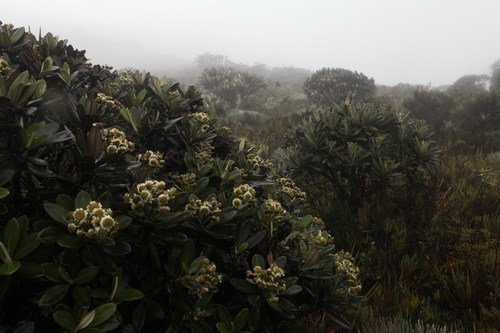
This endemic Brazilian species inhabits specialized Cerrado grasslands and savanna formations, particularly favoring areas with well-drained soils and native grass communities. It requires intact grassland ecosystems with minimal disturbance from grazing or agricultural activities.
Other threatened species in ASTERACEAE
Frequently asked questions
Why is Hololepis hatschbachii classified as Critically Endangered?
Where does Hololepis hatschbachii live?
What are the main threats to Hololepis hatschbachii?
Get weekly conservation intelligence
One short digest a week of the most striking species and country data we ship, plus breaking conservation news paired with our database where it matters.
Free, no spam. One-click unsubscribe in every email.