Helichrysum ruandense
Overview
A detailed profile for this species is sourced from the IUCN Red List of Threatened Species as assessments become available.
Helichrysum ruandense faces severe pressure from agricultural expansion and livestock grazing in Rwanda's montane regions. The species' restricted range makes it particularly vulnerable to habitat conversion for subsistence farming and commercial agriculture. Overgrazing by cattle and goats degrades the grassland ecosystems where this endemic plant occurs, while collection for traditional medicinal uses may further impact wild populations.
Habitat
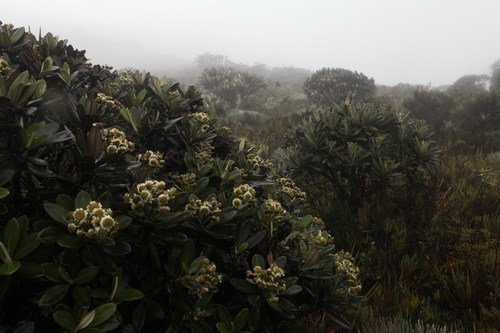
This endemic species occurs in montane grasslands and alpine meadows of Rwanda's high-altitude regions, typically above 2,500 meters elevation. It grows in open, well-drained soils among native grasses and other herbaceous plants in the Afroalpine zone.
Other threatened species in ASTERACEAE
Threatened in Congo - Brazzaville

Frequently asked questions
Why is Helichrysum ruandense classified as Endangered?
Where does Helichrysum ruandense live?
What are the main threats to Helichrysum ruandense?
Get weekly conservation intelligence
One short digest a week of the most striking species and country data we ship, plus breaking conservation news paired with our database where it matters.
Free, no spam. One-click unsubscribe in every email.