Allan's Lerista
Lerista allanae
Overview
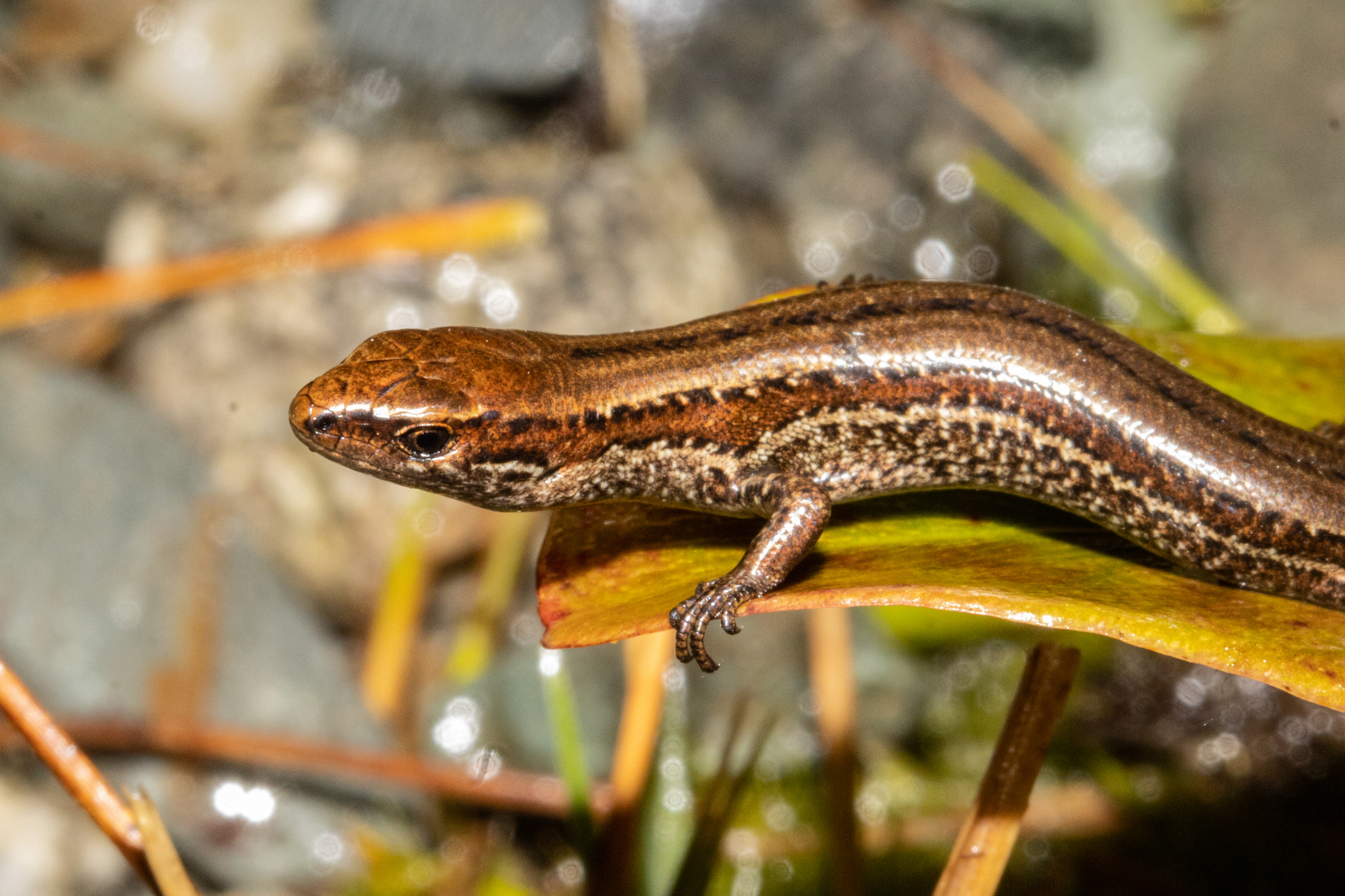
Lerista allanae is a small, elongate skink belonging to a genus characterized by reduced limbs and a burrowing, sand-swimming lifestyle. Like other members of Lerista, it is adapted for a fossorial existence, moving through loose soil or leaf litter with reduced or absent limb digits, relying on smooth scales and a streamlined body to navigate substrate rather than surface terrain. As a small predator of invertebrates, it likely contributes to soil turnover and invertebrate population regulation within its habitat, though detailed ecological studies are limited given its cryptic lifestyle and restricted distribution.
The species is endemic to Australia, known from a very limited geographic range. Specific habitat parameters have not been formally assessed, but as with related Lerista species, it likely depends on friable soils, leaf litter, or loose substrates that allow subsurface movement, in areas that may overlap with grazing land or native woodland.
This skink faces a combination of pressures common to small-range Australian reptiles: habitat conversion and degradation from livestock farming and ranching, agricultural expansion, and residential and commercial development; fragmentation of remaining habitat by roads and infrastructure; altered fire regimes affecting ground-layer vegetation and soil structure; logging activity disturbing habitat integrity; and pressure from invasive species, potentially including predators and competitors. Climate change and increasingly severe weather add further stress to an already constrained range.
Targeted conservation measures specific to this species are not well documented, though it may benefit indirectly from broader Australian reptile conservation initiatives, protected area management, and habitat restoration efforts in areas of range overlap. Given its classification as Critically Endangered with a decreasing population trend, its outlook remains poor without dedicated habitat protection and further ecological research to clarify its distribution and specific needs.
Allan's Lerista faces ongoing habitat loss and fragmentation as land is cleared for farming, livestock grazing, logging, and residential or commercial development, while new roads further break up its habitat. It also faces pressure from invasive species, fire-related disturbances, and the broader impacts of climate change and extreme weather. These threats appear to be persistent and ongoing rather than decreasing, suggesting a stable but continuous level of pressure on the species.
Habitat
This fossorial skink inhabits sandy soils in shrubland and woodland environments of southwestern Western Australia. The species requires loose, well-drained substrates that allow for its burrowing lifestyle within native vegetation communities.
Conservation measures underway
Other threatened species in SCINCIDAE

Threatened in Australia
Frequently asked questions
Why is Allan's Lerista classified as Critically Endangered?
Where does Allan's Lerista live?
What are the main threats to Allan's Lerista?
Get weekly conservation intelligence
One short digest a week of the most striking species and country data we ship, plus breaking conservation news paired with our database where it matters.
Free, no spam. One-click unsubscribe in every email.