Gravel-downs Ctenotus
Ctenotus serotinus
Overview
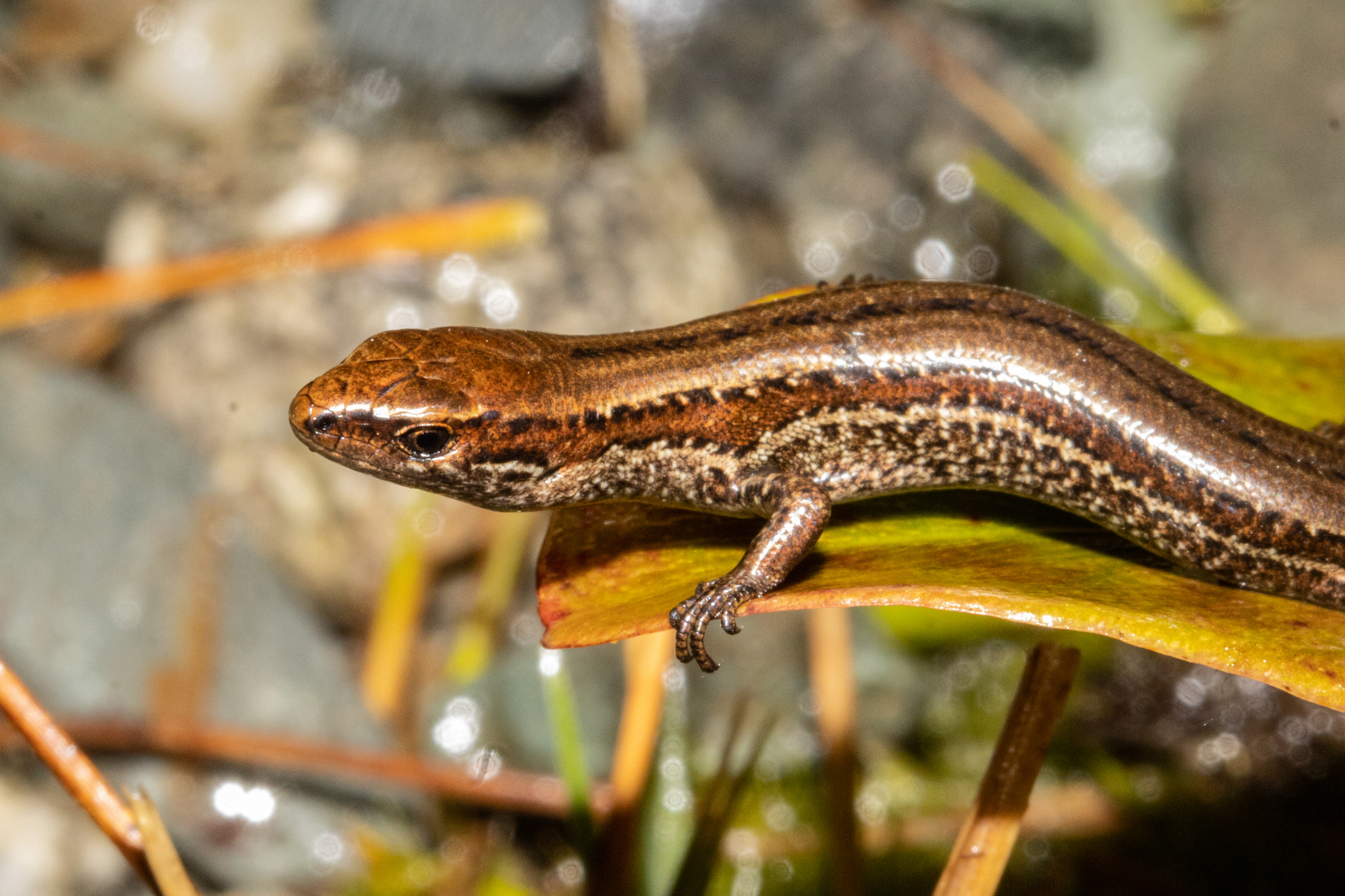
Ctenotus serotinus is a small to medium-sized skink within the diverse and species-rich genus *Ctenotus*, a group known for their slender, agile bodies, smooth glossy scales, and characteristic longitudinal stripe patterns along the back and flanks. Like other members of this genus, it is a diurnal, ground-dwelling lizard that forages actively for invertebrates among leaf litter and open ground, relying on speed and burrow refuges to escape predators. As an insectivore, it likely contributes to local invertebrate population control and serves as prey for birds, snakes, and small mammals within its ecosystem.
The species occurs in Australia, where it is associated with forest habitat, typically favoring gravelly or sandy substrates with sparse ground cover that support its burrowing and basking behaviors.
Its Critically Endangered status reflects a combination of pressures acting on its restricted range. Livestock farming and ranching degrade ground-layer vegetation and soil structure, while agricultural and residential expansion directly remove habitat. Mining and quarrying operations disturb the gravelly substrates the species depends on, and transportation corridors fragment remaining populations, limiting dispersal and gene flow.
Invasive species, including predators and competitors, add further pressure, compounding the vulnerability inherent to a species already reduced to a small population size.
Conservation attention for this species remains limited, though it benefits indirectly from broader Australian reptile monitoring programs, habitat protection measures in some reserves, and invasive predator control initiatives targeting foxes and cats.
Given ongoing habitat loss, fragmentation, and small population size, the species' trajectory remains negative. Without targeted habitat protection and management of livestock and mining impacts, continued decline is likely.
This small lizard is losing its habitat as land is cleared for livestock grazing, farming, housing and commercial development, mining, and roads that break up its living space into smaller, isolated patches. It also faces pressure from invasive species that may compete with or prey on it, and because its population is already small, it's especially vulnerable to being wiped out by any of these ongoing pressures. Since all these threats are currently listed as ongoing with no signs of easing, the overall pressure on this species appears to be stable to intensifying rather than decreasing.
Habitat
This skink species inhabits sandy soils and shrubland environments in the Perth region of Western Australia. It requires specific substrate conditions and vegetation cover typical of the Swan Coastal Plain ecosystem.
Conservation measures underway
Other threatened species in SCINCIDAE

Threatened in Australia
Frequently asked questions
Why is Gravel-downs Ctenotus classified as Critically Endangered?
Where does Gravel-downs Ctenotus live?
What are the main threats to Gravel-downs Ctenotus?
Get weekly conservation intelligence
One short digest a week of the most striking species and country data we ship, plus breaking conservation news paired with our database where it matters.
Free, no spam. One-click unsubscribe in every email.