Gnaraloo Mulch-slider
Lerista haroldi
Overview
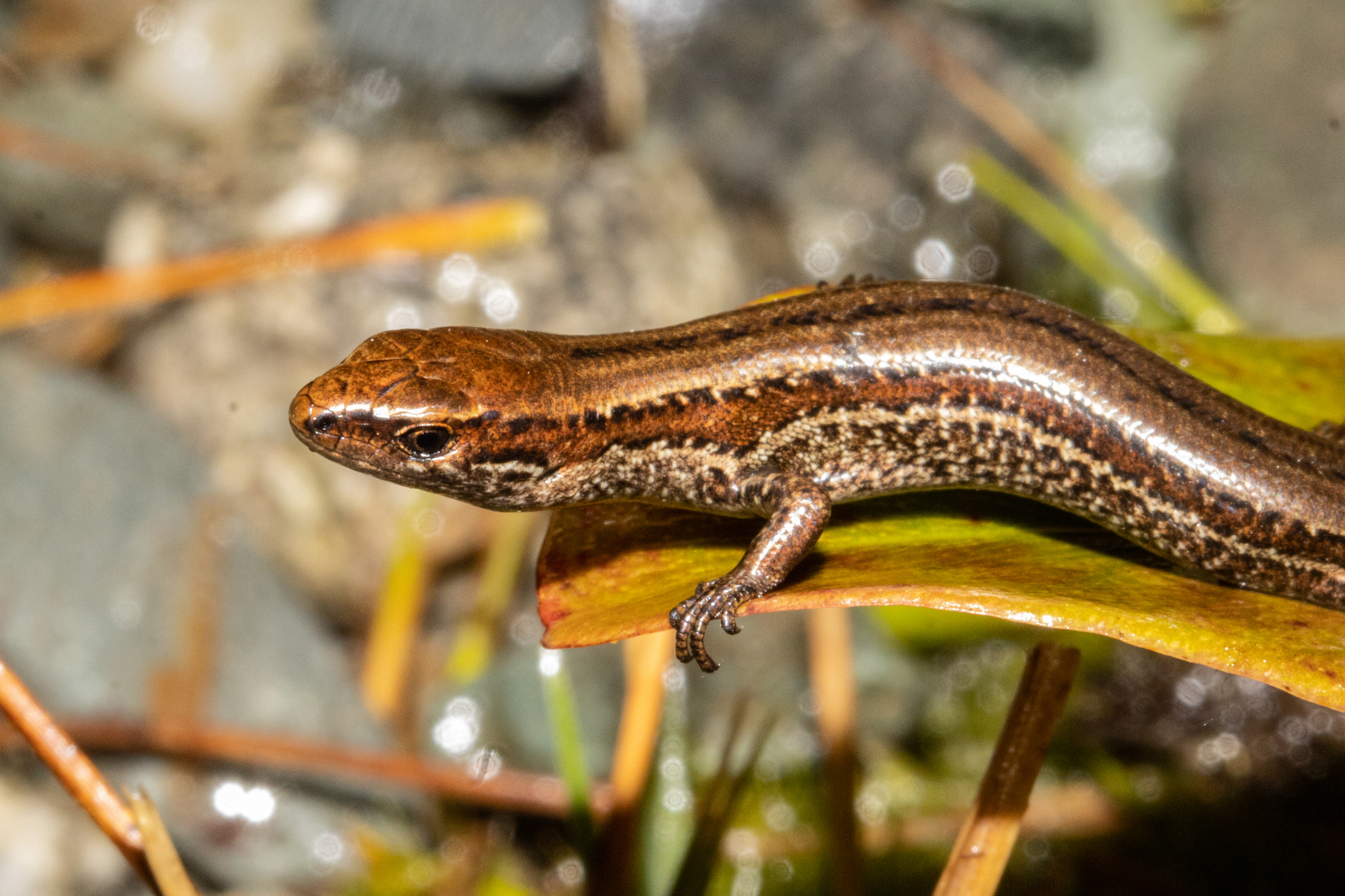
This limbless or near-limbless skink belongs to the genus Lerista, a group of scincid lizards known for burrowing lifestyles and reduced or absent limbs adapted for moving through sand and loose substrate. Like other members of its genus, it likely spends much of its time beneath the surface, using a smooth, elongated body to "swim" through sandy soils in search of small invertebrate prey. As a fossorial predator, it plays a role in regulating invertebrate populations within its habitat while itself serving as prey for larger reptiles and birds.
The species is restricted to Australia, occurring in coastal and desert environments, including supratidal zones near the coast and adjacent arid habitats. This combination of desert and marine-coastal habitat suggests a narrow ecological niche tied to specific soil types and vegetation structure found in these transitional coastal-arid landscapes.
The species is classified as Endangered, with population trends currently unknown due to limited monitoring data. Threats include habitat degradation from livestock farming and ranching, which can compact soils and remove vegetation cover essential for burrowing. Invasive species, including predators and habitat-altering plants or animals, pose ongoing risks, as does logging and wood harvesting, which may reduce ground cover and leaf litter.
An additional unspecified threat further compounds pressures on the species' limited range.
Conservation measures specific to this species are not well documented, though its listing under the IUCN Red List highlights the need for targeted habitat protection and survey work to clarify population size and distribution. Without more comprehensive monitoring, the species' trajectory remains difficult to assess with confidence. Continued habitat pressure from grazing and invasive species suggests ongoing vulnerability, and its long-term outlook depends on further research and habitat safeguards within its restricted Australian range.
The Gnaraloo Mulch-slider faces ongoing pressure from grazing livestock, which tramples and degrades its natural habitat, along with competition or predation from introduced animal species. Cutting and removal of trees or vegetation for wood also disturbs the areas where this reptile lives, alongside other unspecified environmental pressures. All of these threats are currently classed as ongoing, suggesting a stable but continuing level of risk rather than a clear increase or decrease.
Habitat
Other threatened species in SCINCIDAE

Threatened in Australia
Frequently asked questions
Why is Gnaraloo Mulch-slider classified as Endangered?
Where does Gnaraloo Mulch-slider live?
What are the main threats to Gnaraloo Mulch-slider?
Get weekly conservation intelligence
One short digest a week of the most striking species and country data we ship, plus breaking conservation news paired with our database where it matters.
Free, no spam. One-click unsubscribe in every email.