Eremanthus veadeiroensis
Overview
A detailed profile for this species is sourced from the IUCN Red List of Threatened Species as assessments become available.
Eremanthus veadeiroensis faces severe pressure from agricultural expansion and cattle ranching activities that fragment and destroy its native cerrado habitat. Fire regime alterations, particularly increased frequency of anthropogenic fires, threaten the species' natural regeneration cycles. Mining activities and infrastructure development in the Chapada dos Veadeiros region pose additional localized threats to remaining populations.
Habitat
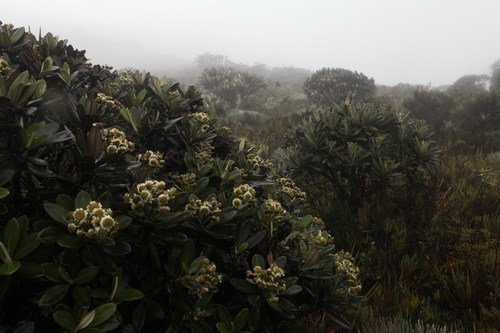
This endemic species occurs exclusively in the cerrado savanna ecosystems of the Chapada dos Veadeiros region in Goiás state, Brazil. It typically grows in rocky outcrops and well-drained soils within gallery forests and cerrado sensu stricto vegetation.
Other threatened species in ASTERACEAE
Frequently asked questions
Why is Eremanthus veadeiroensis classified as Endangered?
Where does Eremanthus veadeiroensis live?
What are the main threats to Eremanthus veadeiroensis?
Get weekly conservation intelligence
One short digest a week of the most striking species and country data we ship, plus breaking conservation news paired with our database where it matters.
Free, no spam. One-click unsubscribe in every email.