Cave Racer
Elaphe taeniura
Overview
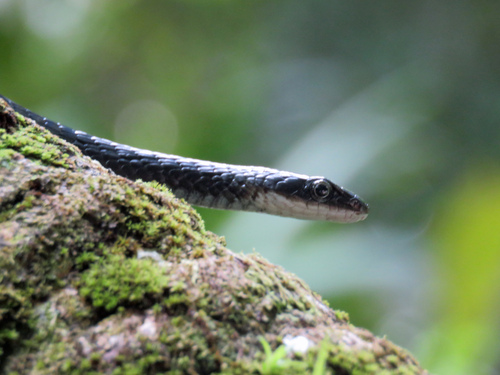
The Beauty Snake is a large, non-venomous constrictor reaching lengths of 1.5-2.5 meters. Distinguished by its distinctive yellow and black striped pattern, this semi-arboreal species exhibits excellent climbing abilities and primarily hunts small mammals, birds, and eggs. As an apex predator in its size class, it plays a crucial role in controlling rodent populations and maintaining ecosystem balance.
This species inhabits a vast range across Asia, from eastern Russia and China through Southeast Asia to Indonesia, with populations in India, Nepal, Taiwan, Japan, and Malaysia. Beauty Snakes occupy diverse habitats including deciduous and evergreen forests, rocky outcrops, and cave systems, demonstrating remarkable adaptability to elevations from sea level to mountainous regions.
Road mortality poses a significant threat as expanding transportation networks fragment habitat and increase vehicle strikes. Fishing and aquatic resource harvesting activities impact the species through habitat degradation and incidental capture. Invasive species and diseases further pressure populations, particularly affecting prey availability and introducing novel pathogens.
Currently listed as Vulnerable with decreasing population trends, the Beauty Snake faces mounting pressures across its range. Some countries have implemented protective legislation, and habitat preservation efforts in protected areas provide refugia for populations. However, enforcement remains inconsistent across the species' extensive range.
The outlook remains concerning without enhanced habitat protection and corridor establishment to reduce fragmentation. Continued monitoring and research into population dynamics are essential for developing effective conservation strategies.
The Beauty Snake faces three main ongoing threats to its survival. Roads and railroads fragment their habitat and create deadly crossing points where snakes are often struck by vehicles, while fishing and harvesting activities in aquatic areas where these snakes hunt and live disrupt their food sources and disturb their environment. Additionally, invasive species and diseases introduced from other regions compete with the snakes for resources and can spread illnesses that native populations have no natural defenses against. All of these threats are currently ongoing with no clear indication of whether they are getting better or worse.
Habitat
Other threatened species in COLUBRIDAE

Threatened in China


Frequently asked questions
Why is Cave Racer classified as Vulnerable?
Where does Cave Racer live?
What are the main threats to Cave Racer?
Get weekly conservation intelligence
One short digest a week of the most striking species and country data we ship, plus breaking conservation news paired with our database where it matters.
Free, no spam. One-click unsubscribe in every email.