
Dwarf Hutia
Mesocapromys nanus
Photo: Photo: Wikimedia Commons, CC BY-SA
Overview
The dwarf hutia is a small, critically endangered, rat-like mammal known only from Cuba. Aside from tracks, it was last seen in 1937 and may be extinct. It gives birth to only a single offspring at a time, and is threatened by habitat loss and non-native species such as rats and mongoose. The dwarf hutia belongs to the hutia subfamily (Capromyinae), a group of rodents native to the Caribbean that are mostly endangered or extinct.
The dwarf hutia faces severe threats from habitat destruction due to deforestation and agricultural expansion across its limited range in Cuba. Introduced predators, particularly cats and dogs, pose significant predation pressure on this small rodent species. Hurricane damage and climate change effects further fragment and degrade the remaining forest patches essential for its survival.
Habitat
Mesocapromys nanus inhabits dense tropical forests and woodland areas in Cuba, preferring areas with thick canopy cover and abundant vegetation. The species requires undisturbed forest environments with suitable nesting sites in tree hollows or dense undergrowth.
Conservation measures underway
Other threatened species in CAPROMYIDAE

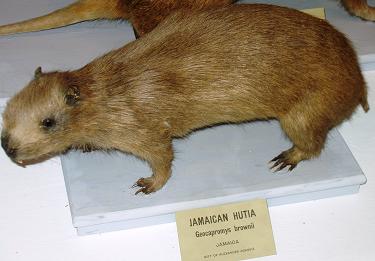
Threatened in Cuba

Frequently asked questions
Why is Dwarf Hutia classified as Critically Endangered?
Where does Dwarf Hutia live?
What are the main threats to Dwarf Hutia?
Get weekly conservation intelligence
One short digest a week of the most striking species and country data we ship, plus breaking conservation news paired with our database where it matters.
Free, no spam. One-click unsubscribe in every email.