Uta lowei
Overview
A detailed profile for this species is sourced from the IUCN Red List of Threatened Species as assessments become available.
Uta lowei faces significant pressure from habitat degradation due to urban development and recreational activities across its limited range in Baja California. The species' restriction to specific rocky outcrop microhabitats makes it particularly vulnerable to localized disturbances, while introduced predators and competitors may further impact populations in some areas.
Habitat
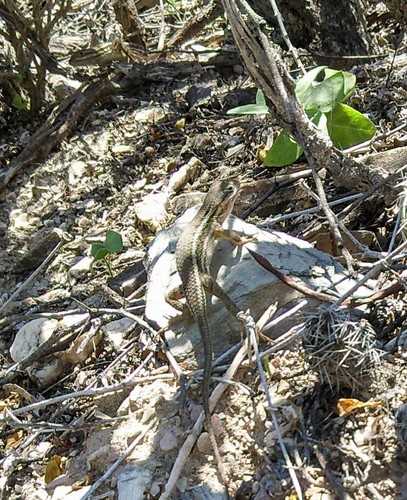
This lizard species inhabits rocky outcrops, boulder fields, and granite formations in arid and semi-arid regions of Baja California, Mexico. It typically occupies crevices and surfaces of large rocks where it can thermoregulate and find shelter from predators.
Conservation measures underway
Other threatened species in PHRYNOSOMATIDAE
Threatened in Mexico
Frequently asked questions
Why is Uta lowei classified as Vulnerable?
Where does Uta lowei live?
What are the main threats to Uta lowei?
Get weekly conservation intelligence
One short digest a week of the most striking species and country data we ship, plus breaking conservation news paired with our database where it matters.
Free, no spam. One-click unsubscribe in every email.