Uta palmeri
Overview
A detailed profile for this species is sourced from the IUCN Red List of Threatened Species as assessments become available.
Uta palmeri faces severe threats from its extremely restricted range on San Pedro Mártir Island in the Gulf of California. The species is vulnerable to habitat degradation from introduced goats that have altered the island's vegetation structure and reduced native plant cover. Climate change poses additional risks through altered precipitation patterns and increased temperatures that could affect the lizard's thermal ecology and prey availability.
Habitat
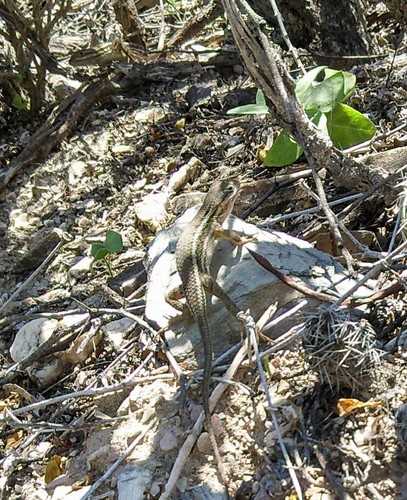
This endemic lizard inhabits the rocky desert terrain and sparse vegetation of San Pedro Mártir Island in the Gulf of California, Mexico. It occupies areas with scattered shrubs, cacti, and rocky outcrops that provide shelter and basking sites in this arid island environment.
Conservation measures underway
Other threatened species in PHRYNOSOMATIDAE
Threatened in Mexico
Frequently asked questions
Why is Uta palmeri classified as Vulnerable?
Where does Uta palmeri live?
What are the main threats to Uta palmeri?
Get weekly conservation intelligence
One short digest a week of the most striking species and country data we ship, plus breaking conservation news paired with our database where it matters.
Free, no spam. One-click unsubscribe in every email.