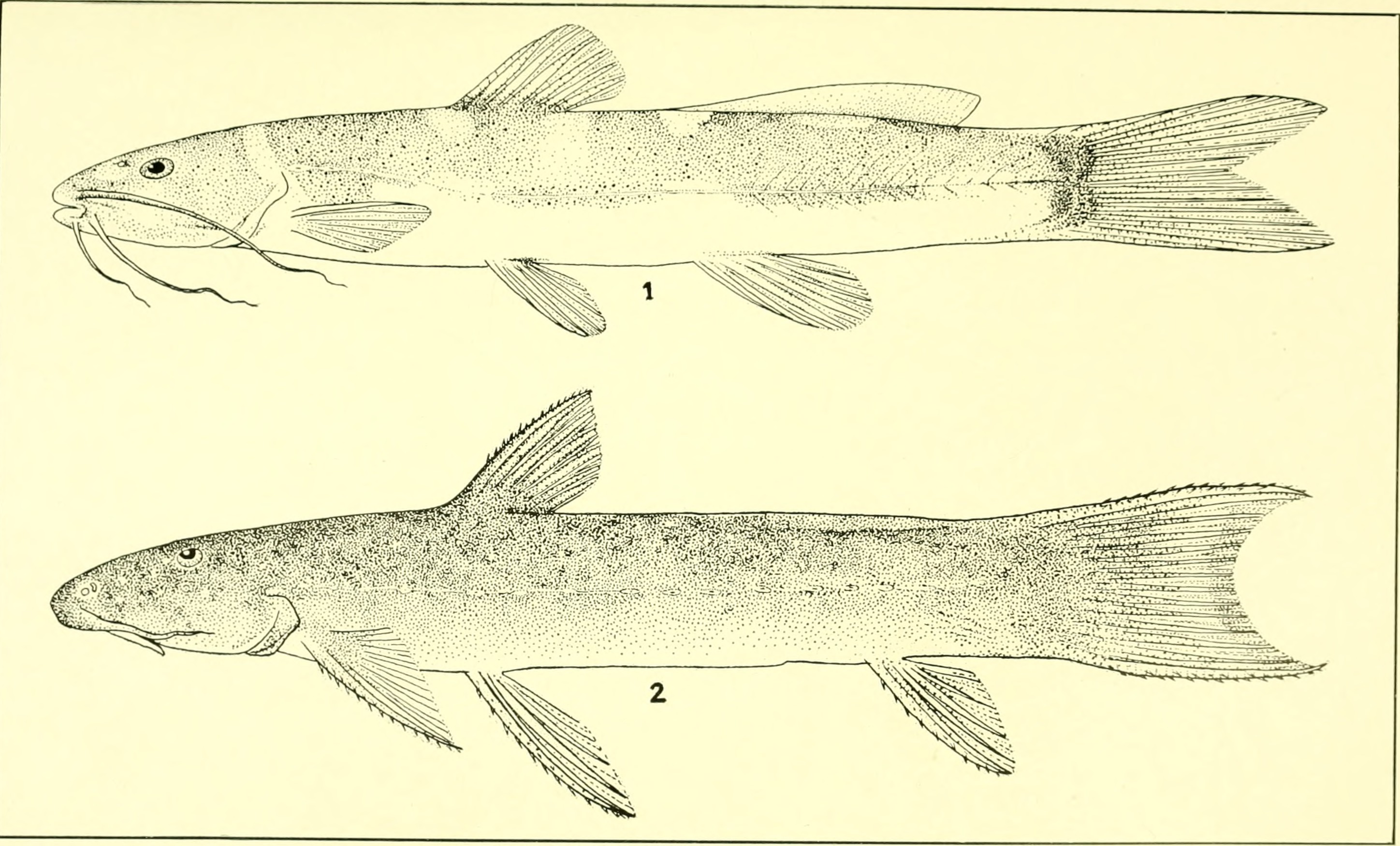
Rhamdella montana
Photo: Photo: Internet Archive Book Images via Wikimedia Commons No restrictions
Overview
Rhamdella montana is a critically endangered (CR) freshwater catfish endemic to the mountainous river systems of South America's Atlantic Forest region. This small heptapterid catfish typically measures 8-12 centimeters in length, displaying the characteristic elongated barbels and compressed body shape typical of its family. The species exhibits a mottled brown and gray coloration that provides excellent camouflage against rocky substrates in fast-flowing streams.
Rhamdella montana inhabits clear, well-oxygenated mountain streams at elevations between 800-1,500 meters, where it occupies rocky crevices and feeds primarily on aquatic invertebrates and organic detritus. The species demonstrates nocturnal behavior, emerging at dusk to forage in shallow riffles and returning to shelter among rocks during daylight hours. Its reproductive biology remains poorly understood, though related species in the genus are known to be substrate spawners that guard their eggs.
The extremely restricted range of Rhamdella montana, limited to a few tributary systems, makes it particularly vulnerable to environmental changes. Recent conservation efforts have focused on watershed protection and water quality monitoring in its known habitat areas. Local environmental groups have established community-based monitoring programs that engage residents in tracking water conditions and fish populations, providing hope for the species' long-term survival through collaborative conservation approaches.
Rhamdella montana faces severe threats from deforestation and agricultural expansion in its mountainous watershed, which increases sedimentation and alters stream flow patterns critical to its survival. Mining activities in the region pose additional risks through heavy metal contamination and habitat destruction. The species' extremely limited geographic range means that localized pollution events or habitat modifications could potentially eliminate entire populations, making each remaining stream system critically important for the species' persistence.
Habitat
This species inhabits clear, fast-flowing mountain streams with rocky substrates at elevations between 800-1,500 meters in South America's Atlantic Forest region. It requires well-oxygenated waters with stable temperatures and minimal sedimentation, typically found in pristine headwater systems with intact riparian forest cover.
Conservation measures underway
Other threatened species in HEPTAPTERIDAE

Threatened in Peru
Frequently asked questions
Why is Rhamdella montana classified as Critically Endangered?
Where does Rhamdella montana live?
What are the main threats to Rhamdella montana?
Get weekly conservation intelligence
One short digest a week of the most striking species and country data we ship, plus breaking conservation news paired with our database where it matters.
Free, no spam. One-click unsubscribe in every email.