Stout Barsided Skink
Concinnia frerei
Overview
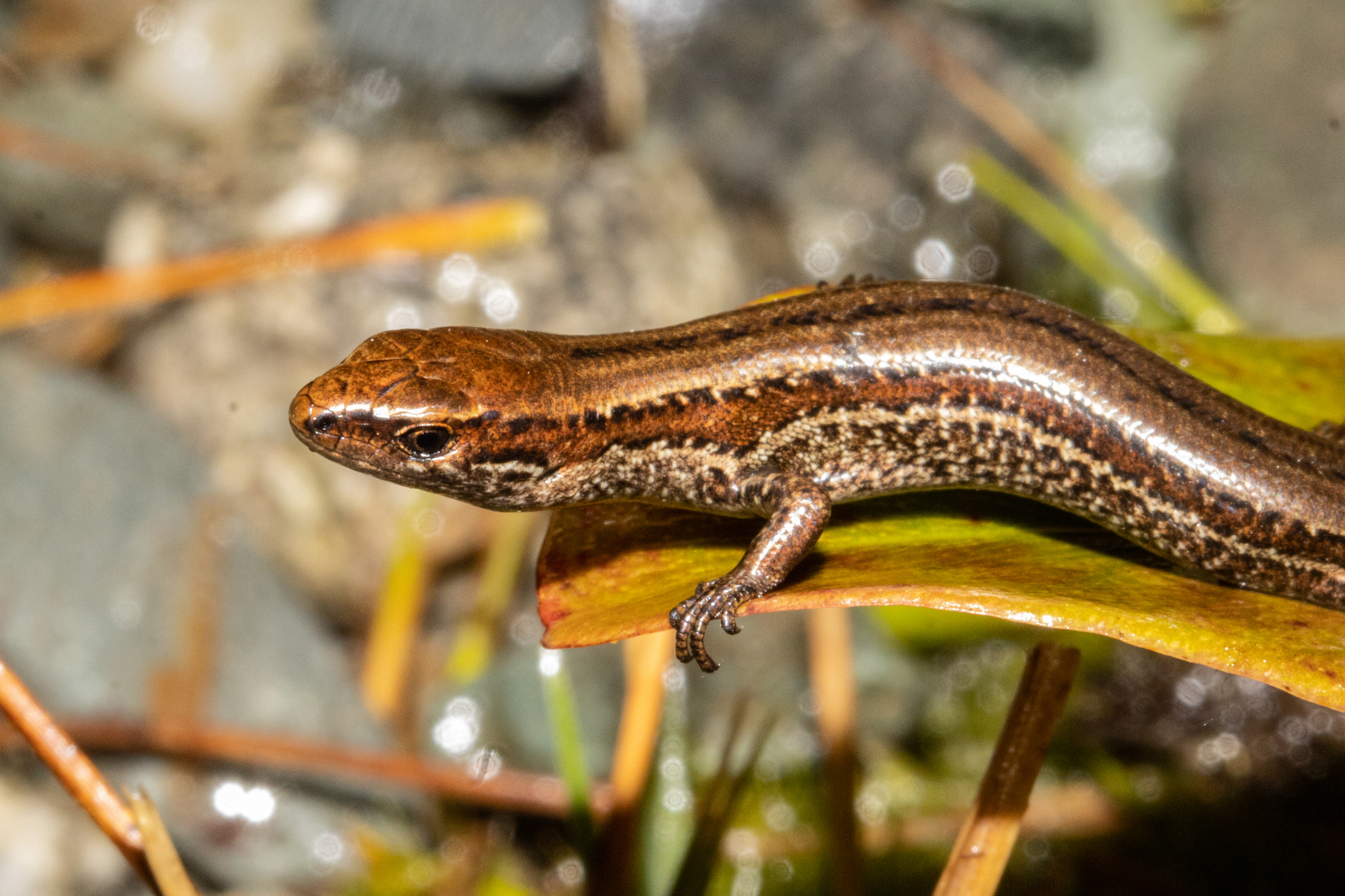
Concinnia frerei is a medium-bodied skink characterised by robust, laterally compressed sides and smooth, glossy scales typical of the family Scincidae. Like other members of its genus, it is likely diurnal and insectivorous, foraging among rock crevices for invertebrates while relying on cryptic coloration and quick retreat into rock cracks to avoid predators. As a mid-level insectivore, it contributes to local invertebrate population regulation and serves as prey for birds and larger reptiles within its rocky habitat.
The species is endemic to Australia, where it occupies rocky outcrops and associated rock-strewn terrain. Its reliance on this specific habitat type makes it particularly sensitive to disturbances that alter rock structure, surface temperature, or moisture retention within these microhabitats.
No confirmed population figures are available, and the population trend is currently listed as unknown, limiting precise assessment of decline rates. However, the species is classified as Vulnerable, reflecting recognised risk to its long-term persistence.
The primary threats are habitat shifting and alteration, which can degrade the rocky substrates and vegetation structure the species depends on, and ongoing drought conditions, which likely reduce prey availability and disrupt the microclimatic stability of rocky refuges. Both pressures are consistent with broader climate-related stress affecting reptiles restricted to specialised terrestrial habitats in Australia.
Specific targeted conservation programs for this species are not well documented, though it would benefit from habitat protection measures within its rocky range, monitoring of population trends, and broader climate adaptation strategies applicable to Australian rock-dwelling reptiles.
Given the ongoing nature of its key threats and the absence of detailed population data, the species' trajectory remains uncertain. Continued habitat alteration and drought frequency suggest sustained pressure, underscoring the need for further field surveys to clarify its conservation status.
The Stout Barsided Skink faces ongoing changes to its natural habitat, likely from shifts in land use or forest conditions that alter the environment it depends on. It is also affected by ongoing drought conditions, which can dry out its habitat and reduce the moisture levels many reptiles need to survive. Both threats are currently classified as ongoing, suggesting a stable but persistent level of pressure rather than a rapidly worsening or improving situation.
Habitat
Conservation measures underway
Other threatened species in SCINCIDAE

Threatened in Australia
Frequently asked questions
Why is Stout Barsided Skink classified as Vulnerable?
Where does Stout Barsided Skink live?
What are the main threats to Stout Barsided Skink?
Get weekly conservation intelligence
One short digest a week of the most striking species and country data we ship, plus breaking conservation news paired with our database where it matters.
Free, no spam. One-click unsubscribe in every email.