
Chinese Sturgeon
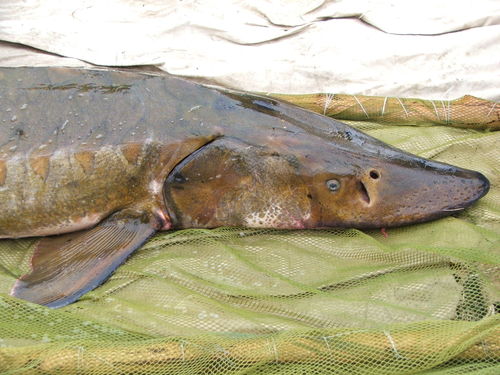
Acipenser sinensis
Photo: (c) CEphoto, Uwe Aranas, some rights reserved (CC BY-SA)
Overview
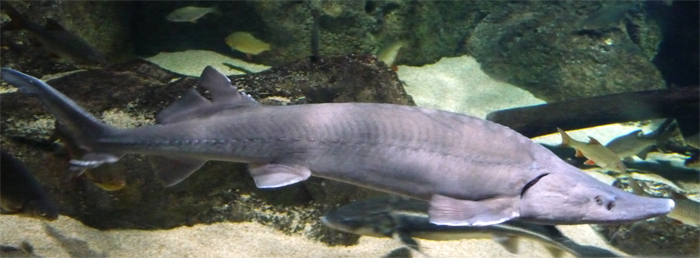
Acipenser sinensis, commonly known as the Chinese sturgeon, is a large anadromous fish species endemic to China's Yangtze River system. These ancient fish can reach lengths of up to 5 meters and weights exceeding 500 kilograms, making them one of the largest freshwater fish species in China. Chinese sturgeons are anadromous, meaning they migrate from marine environments to freshwater rivers for spawning.
Historically, they would travel from the East China Sea up the Yangtze River to spawn in the upper reaches of the river system. The species faces severe population decline due to multiple anthropogenic pressures. Dam construction, particularly the Gezhouba Dam completed in 1981 and the Three Gorges Dam, has blocked traditional spawning migration routes and altered river flow patterns.
Overfishing, water pollution, and habitat degradation have further contributed to population decline. Ship traffic and sand mining activities have also disrupted spawning grounds and feeding areas. Conservation efforts include artificial breeding programs, captive breeding facilities, and regular release of juvenile fish into the wild.
The Chinese government has established nature reserves and implemented fishing bans to protect remaining populations. Research programs monitor wild populations and study reproductive biology to improve conservation strategies. Despite these efforts, natural reproduction has become extremely rare, with the species now critically dependent on artificial breeding programs for survival.
The Chinese sturgeon faces severe threats from dam construction that blocks spawning migrations, particularly the Gezhouba and Three Gorges dams. Additional pressures include overfishing, water pollution, habitat degradation, and disruption from shipping traffic and sand mining activities.
Habitat
Chinese sturgeons inhabit the Yangtze River system and adjacent coastal waters of the East China Sea. They require both marine feeding areas and freshwater spawning grounds in the upper reaches of river systems.
Conservation measures underway
Other threatened species in ACIPENSERIDAE

Threatened in China
Frequently asked questions
Why is Chinese Sturgeon classified as Critically Endangered?
Where does Chinese Sturgeon live?
What are the main threats to Chinese Sturgeon?
Get weekly conservation intelligence
One short digest a week of the most striking species and country data we ship, plus breaking conservation news paired with our database where it matters.
Free, no spam. One-click unsubscribe in every email.