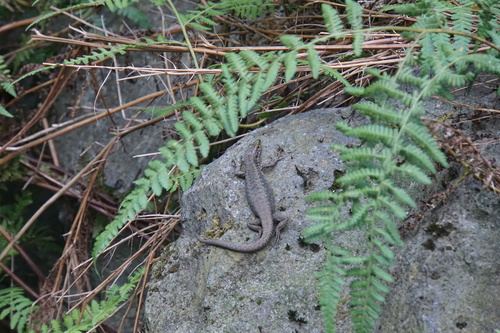
Darevskia dryada
Photo: (c) Michał Szkudlark, all rights reserved, uploaded by Michał Szkudlark
Overview
Darevskia dryada, the Charnali lizard, is a lizard species in the genus Darevskia. It is found in Georgia and Turkey.
Darevskia dryada faces severe threats from habitat destruction due to urban development and infrastructure expansion in its extremely limited range in Turkey. The species' tiny population is highly vulnerable to stochastic events, with habitat fragmentation isolating remaining subpopulations. Climate change poses additional risks through altered temperature and precipitation patterns affecting the specific microhabitat conditions this lizard requires.
Habitat
This endemic lizard inhabits rocky outcrops and stone walls in Mediterranean scrubland and oak woodland areas of southwestern Turkey. It requires specific microhabitat conditions with adequate rock crevices for shelter and thermoregulation.
Other threatened species in LACERTIDAE
Threatened in Türkiye

Frequently asked questions
Why is Darevskia dryada classified as Critically Endangered?
Where does Darevskia dryada live?
What are the main threats to Darevskia dryada?
Get weekly conservation intelligence
One short digest a week of the most striking species and country data we ship, plus breaking conservation news paired with our database where it matters.
Free, no spam. One-click unsubscribe in every email.