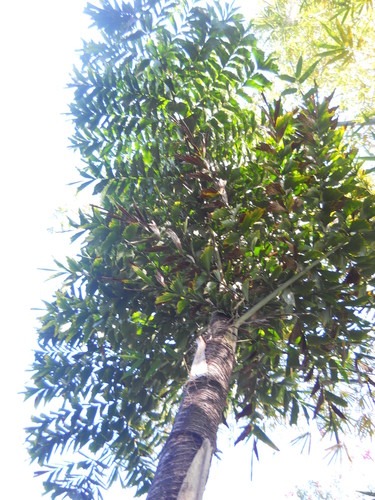
Giant Caryota
Caryota kiriwongensis
Photo: Photo: (c) Javier Alejandro, some rights reserved (CC BY-NC-ND), uploaded by Javier Alejandro
Overview
Caryota kiriwongensis, also known as the giant caryota, is a palm of peninsular Thailand. It belongs to the palm family Palmae or Arecaceae.
Caryota kiriwongensis faces severe population decline due to its extremely restricted range in Thailand's Khao Luang National Park. The species is threatened by habitat degradation from tourism pressure and infrastructure development within its montane forest habitat. Collection pressure for horticultural trade poses an additional risk to the remaining wild populations of this endemic palm.
Habitat
This endemic palm species inhabits montane tropical forests at elevations between 900-1,200 meters in southern Thailand. It grows in the understory of primary and secondary forests within Khao Luang National Park, preferring humid conditions with well-drained soils.
Conservation measures underway
Other threatened species in ARECACEAE
Threatened in Thailand

Frequently asked questions
Why is Giant Caryota classified as Critically Endangered?
Where does Giant Caryota live?
What are the main threats to Giant Caryota?
Get weekly conservation intelligence
One short digest a week of the most striking species and country data we ship, plus breaking conservation news paired with our database where it matters.
Free, no spam. One-click unsubscribe in every email.