Heath Cool-skink
Carinascincus orocryptus
Overview
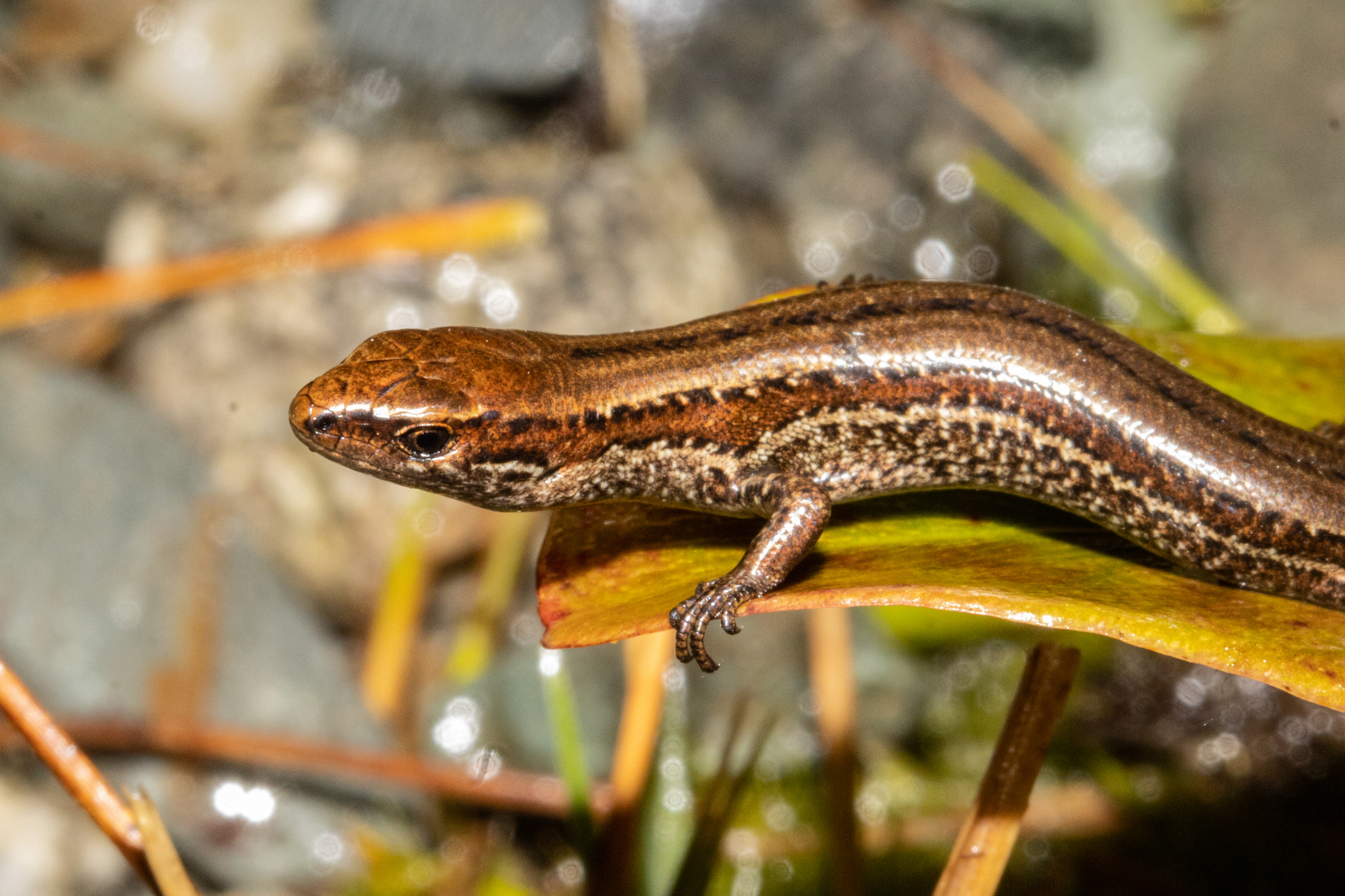
Carinascincus orocryptus is a small, cold-adapted skink belonging to the family Scincidae, distinguished by a smooth, keeled scale pattern typical of the genus and a cryptic body coloration suited to camouflage among low vegetation and rocky substrates. Like other members of its genus, it is likely viviparous, an adaptation common among reptiles living in cool, high-elevation environments. As an insectivorous ectotherm, it plays a role in regulating invertebrate populations within its habitat while also serving as prey for birds and other small predators, contributing to local food web dynamics.
This species is found in Australia, where it occupies shrubland habitats, often in upland or montane areas that provide the cooler, sheltered microclimates favored by cold-tolerant skinks. Its distribution appears to be relatively restricted, consistent with many specialized reptile species adapted to narrow environmental conditions.
The primary threat to this species is ongoing habitat shifting and alteration, which affects the structure and availability of the shrubland ecosystems it depends on. Changes to vegetation cover, temperature regimes, and moisture levels can reduce the suitability of remaining habitat patches, particularly for a species with specific microhabitat requirements.
Targeted conservation programs specific to this species are not well documented, though it may benefit indirectly from broader habitat protection and land management efforts in shrubland regions of Australia. Population trends remain unknown due to limited monitoring data.
Given its Vulnerable status, ongoing habitat pressures, and the absence of clear population data, the species' long-term outlook remains uncertain, underscoring the need for further research and habitat monitoring to inform future conservation decisions.
The Heath Cool-skink faces an ongoing risk from its habitat gradually changing, such as shifts in vegetation and ground cover in the cool, heathy environments it depends on, likely linked to changing climate conditions. As its surroundings continue to transform, the skink may struggle to find the specific conditions it needs to survive. This threat currently appears to be ongoing and stable rather than rapidly worsening, though continued monitoring would be needed to confirm this.
Habitat
Other threatened species in SCINCIDAE

Threatened in Australia
Frequently asked questions
Why is Heath Cool-skink classified as Vulnerable?
Where does Heath Cool-skink live?
What are the main threats to Heath Cool-skink?
Get weekly conservation intelligence
One short digest a week of the most striking species and country data we ship, plus breaking conservation news paired with our database where it matters.
Free, no spam. One-click unsubscribe in every email.