Boulder Cool-skink
Carinascincus microlepidotus
Overview
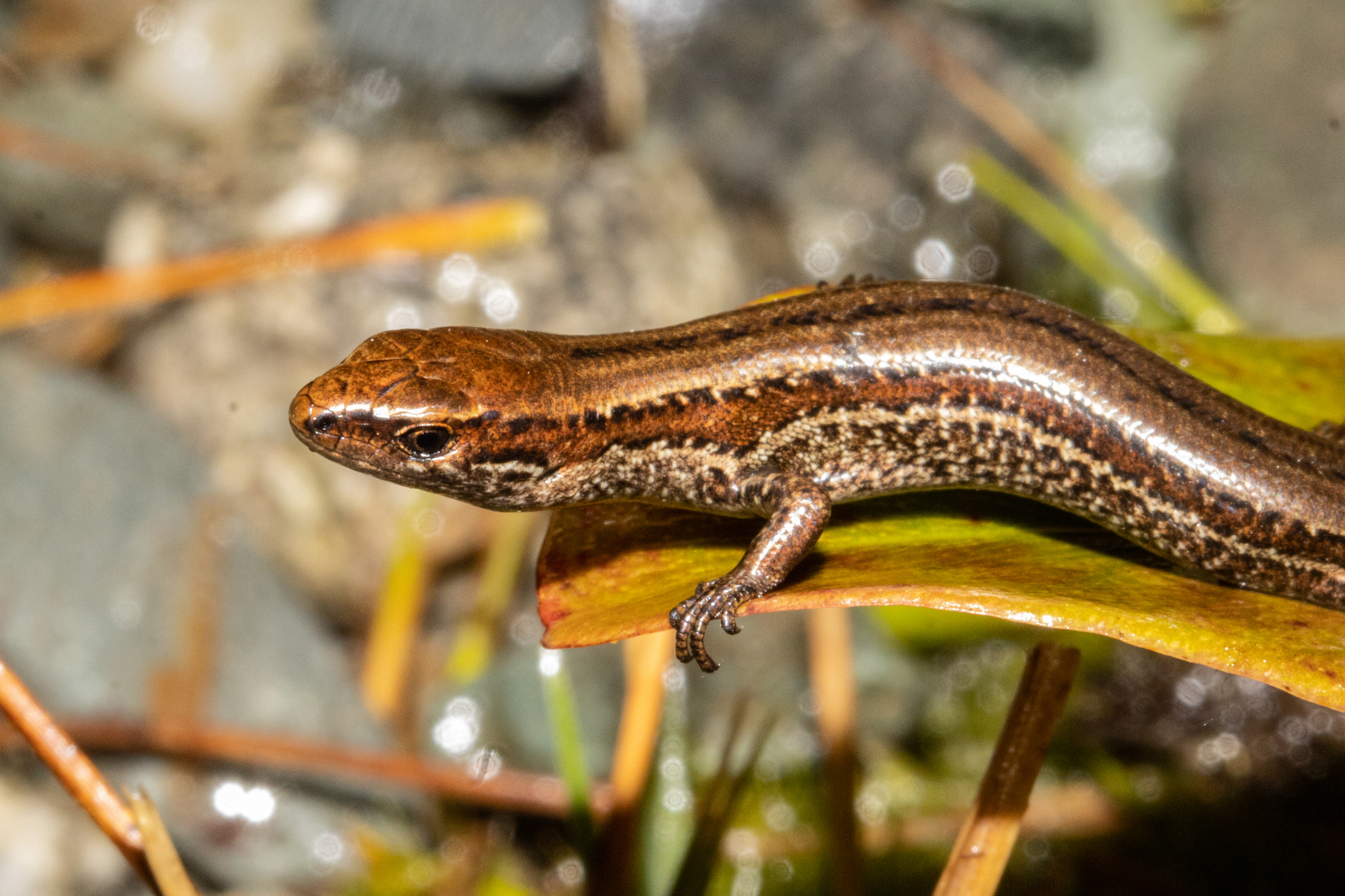
Carinascincus microlepidotus is a small, cold-adapted skink characterized by finely keeled, reduced scales and a robust, low-slung body suited to life among alpine rock and vegetation. Like other members of its genus, it is viviparous, giving birth to live young rather than laying eggs, an adaptation to the cool montane climates it inhabits. As an ectothermic insectivore, it likely feeds on small invertebrates and, in turn, serves as prey for birds and other reptiles, contributing to invertebrate population regulation within its habitat.
The species is endemic to Australia, where it occupies shrubland, rocky areas, and the margins of permanent freshwater lakes and wetlands in upland or alpine terrain. Its reliance on rock crevices for shelter and thermoregulation ties it closely to specific microhabitat structures within these landscapes.
The primary threat to this skink is ongoing habitat shifting and alteration. Changes to vegetation structure, moisture regimes, and rocky microhabitats—potentially linked to shifting climatic conditions and land-use pressures—can degrade the specific conditions this species depends on for thermoregulation, shelter, and reproduction. Because of its apparent habitat specificity, even modest environmental changes may disproportionately affect local populations.
Specific targeted conservation programs for this species are not well documented, though it likely benefits indirectly from broader protections afforded to alpine and wetland ecosystems within its Australian range, including habitat monitoring and land management practices in protected areas.
Population trends remain unknown, limiting precise assessment of trajectory. Given its Vulnerable status and ongoing habitat pressures, continued monitoring is warranted to determine whether current habitat protections are sufficient to maintain stable populations over time.
The main threat to the Boulder Cool-skink is its mountain habitat gradually changing over time, likely due to shifting climate conditions affecting the high-altitude, rocky environments it depends on. As temperatures warm, the cool, boulder-strewn habitats this species relies on may become less suitable or shrink in area. This threat is ongoing and appears to be a continuous, long-term pressure rather than a stable or improving situation.
Habitat
Other threatened species in SCINCIDAE

Threatened in Australia
Frequently asked questions
Why is Boulder Cool-skink classified as Vulnerable?
Where does Boulder Cool-skink live?
What are the main threats to Boulder Cool-skink?
Get weekly conservation intelligence
One short digest a week of the most striking species and country data we ship, plus breaking conservation news paired with our database where it matters.
Free, no spam. One-click unsubscribe in every email.