Alpine Cool-skink
Carinascincus greeni
Overview
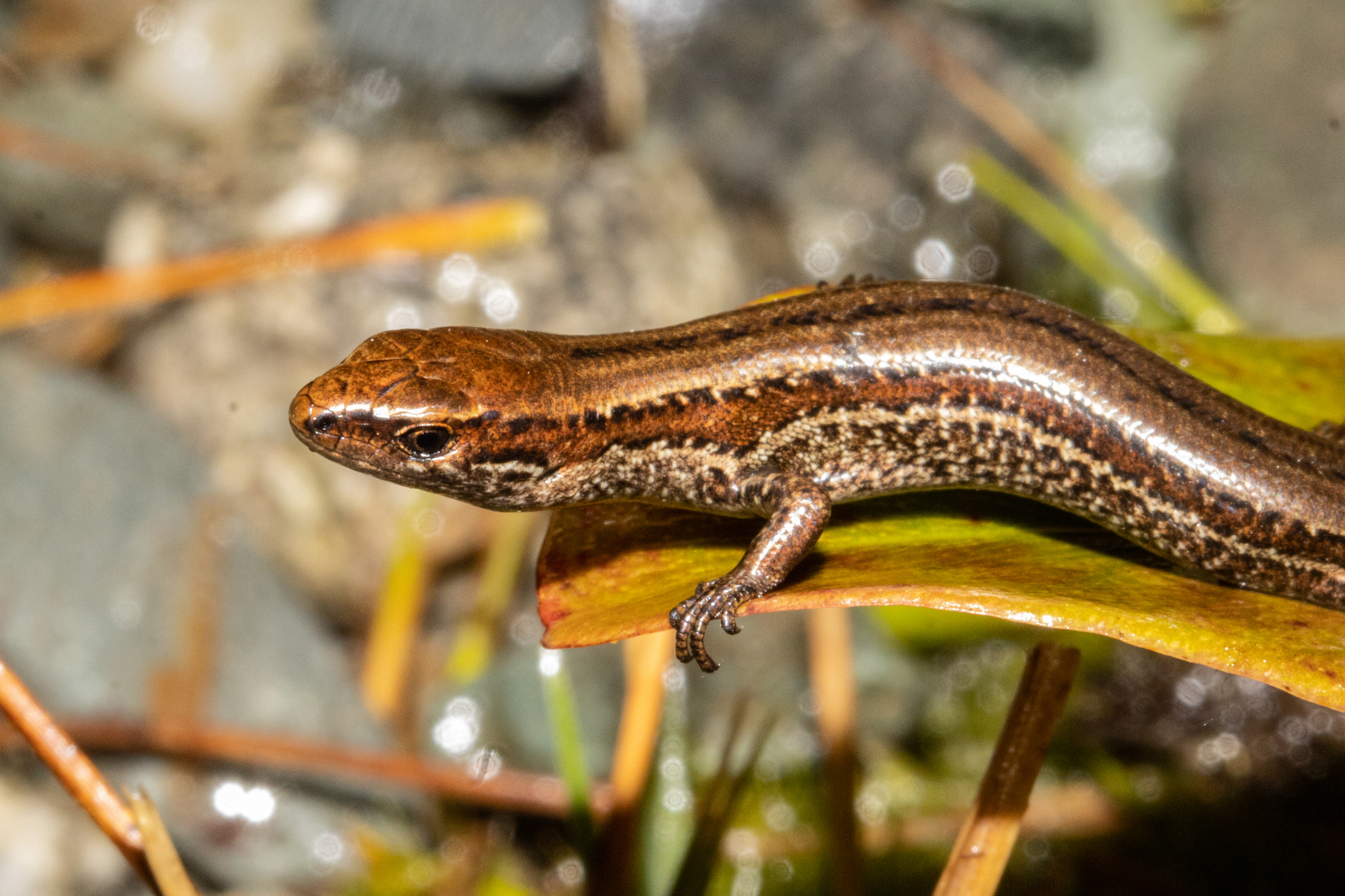
This small viviparous skink belongs to the family Scincidae and is adapted to the cold, high-elevation environments of Tasmania. Like other members of the genus Carinascincus, it is a heat-seeking, low-slung lizard that relies heavily on basking to regulate body temperature in an otherwise thermally challenging environment. It gives birth to live young rather than laying eggs, a reproductive strategy common among reptiles occupying cold montane habitats where egg incubation would be unreliable.
As an insectivore, it plays a role in controlling invertebrate populations within alpine rock communities, and it likely serves as prey for birds and other predators adapted to these harsh, exposed landscapes.
The species is restricted to alpine and subalpine rocky areas in Tasmania, Australia, where it shelters within crevices, under stones, and among boulder fields that provide thermal buffering and protection from predators.
Its primary threat is habitat shifting and alteration, an ongoing process linked to changing climatic conditions at high elevations. As temperature and precipitation patterns shift, the specific microhabitat conditions this skink depends on — rocky substrates with particular thermal and moisture properties — may degrade or move upslope, potentially compressing the species' already limited range.
Specific targeted conservation programs for this species are not widely documented, though it benefits indirectly from protections afforded to Tasmania's alpine ecosystems, including reserved and national park lands that limit direct human disturbance to its rocky habitat.
Population trend is currently assessed as stable, and despite its Vulnerable status, the species does not appear to be undergoing rapid decline. Its long-term outlook depends largely on the pace and extent of future habitat shifts affecting Tasmania's alpine zones.
The main ongoing threat to the Alpine Cool-skink is the changing of its natural habitat, likely driven by shifting climate conditions in its alpine environment altering the vegetation and terrain it depends on. As temperatures and weather patterns change, the high-altitude habitat this species relies on may become less suitable for its survival. This threat appears to be ongoing and continuing without signs of slowing.
Habitat
Other threatened species in SCINCIDAE

Threatened in Australia
Frequently asked questions
Why is Alpine Cool-skink classified as Vulnerable?
Where does Alpine Cool-skink live?
What are the main threats to Alpine Cool-skink?
Get weekly conservation intelligence
One short digest a week of the most striking species and country data we ship, plus breaking conservation news paired with our database where it matters.
Free, no spam. One-click unsubscribe in every email.