Ephippiger camillae
Overview
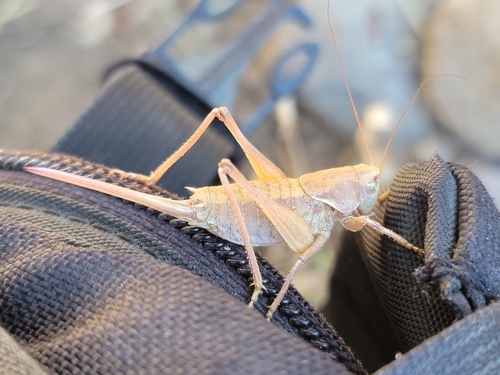
Ephippiger camillae is a critically endangered species of bush cricket endemic to a highly restricted range in the Mediterranean region. This orthopteran species belongs to the family Tettigoniidae and represents one of the most threatened invertebrates in its geographic area. The species exhibits typical bush cricket characteristics, with adults displaying the distinctive saddle-shaped pronotum that gives the genus its name.
Ephippiger camillae occupies specialized habitat requirements within Mediterranean scrubland and rocky areas, where it depends on specific vegetation communities and microclimate conditions. The species faces severe population decline due to habitat destruction and fragmentation caused by urban development, agricultural expansion, and infrastructure projects. Climate change poses an additional threat through altered precipitation patterns and increased temperatures that affect the delicate ecological balance of its habitat.
The restricted distribution makes the species particularly vulnerable to local extinctions, as populations have limited opportunities for recolonization. Fire regimes, both natural and human-induced, further threaten remaining habitat patches. Conservation efforts focus on habitat protection and management within the species' known range, though comprehensive population monitoring remains challenging due to the cryptic nature of the species and its limited distribution.
Research initiatives aim to better understand the species' ecological requirements and population dynamics to inform targeted conservation strategies. The critically endangered status reflects the urgent need for immediate conservation action to prevent extinction of this endemic Mediterranean bush cricket.
Ephippiger camillae faces severe threats from habitat destruction and fragmentation due to urban development and agricultural expansion within its restricted Mediterranean range. Climate change compounds these pressures through altered temperature and precipitation patterns that disrupt the species' specialized habitat requirements.
Habitat
Ephippiger camillae inhabits Mediterranean scrubland and rocky areas with specific vegetation communities and microclimate conditions. The species requires specialized habitat characteristics within these Mediterranean ecosystems for survival and reproduction.
Conservation measures underway
Other threatened species in TETTIGONIIDAE
Threatened in Italy
Frequently asked questions
Why is Ephippiger camillae classified as Critically Endangered?
Where does Ephippiger camillae live?
What are the main threats to Ephippiger camillae?
Get weekly conservation intelligence
One short digest a week of the most striking species and country data we ship, plus breaking conservation news paired with our database where it matters.
Free, no spam. One-click unsubscribe in every email.