Wild Water Buffalo
Bubalus arnee
Overview
The wild water buffalo is a massive bovine species, standing up to 1.8 meters tall and weighing up to 1,200 kilograms. Distinguished by their distinctive backward-curving horns that can span over two meters, these animals possess dark gray to black coats and broad, splayed hooves adapted for marshy terrain. As grazers, they play a crucial role in maintaining wetland ecosystems by creating pathways through dense vegetation and dispersing seeds across their range.
Wild water buffalo inhabit wetlands, grasslands, and forest edges across South and Southeast Asia, from India and Nepal through Myanmar, Thailand, Cambodia, and Vietnam to parts of Indonesia and Sri Lanka. They prefer areas near permanent water sources, including river floodplains, swamps, and seasonal grasslands.
The species faces severe population decline due to multiple interconnected threats. Hybridization with domestic water buffalo represents the most significant challenge, diluting pure genetic lines. Habitat conversion for agriculture and aquaculture eliminates critical wetland areas, while hunting pressure continues despite legal protection. Disease transmission from domestic livestock poses additional risks to wild populations.
Conservation efforts include establishing protected areas in key habitats, implementing breeding programs to maintain genetic purity, and working with local communities to reduce human-wildlife conflict. Several countries have developed national action plans specifically for wild water buffalo conservation.
The species' outlook remains precarious. With fragmented populations and ongoing genetic dilution, wild water buffalo face continued decline without intensive management intervention and habitat protection across their remaining range.
Wild water buffalo face multiple serious threats including being hunted for meat and trophies, losing their grazing lands to cattle ranches and farms, and catching diseases from domestic livestock and invasive species. Their genetic purity is also being diluted through breeding with domestic buffalo, while logging destroys their forest habitat. Based on the ongoing nature of all these threats, the situation for wild water buffalo appears to be stable or potentially worsening rather than improving.
Habitat
Conservation measures underway
Other threatened species in BOVIDAE
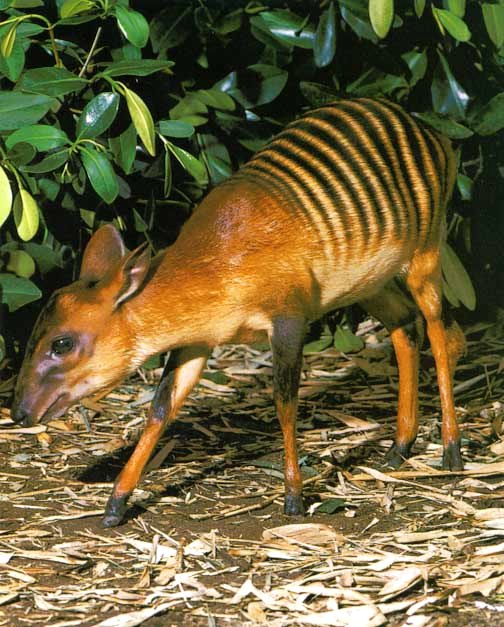
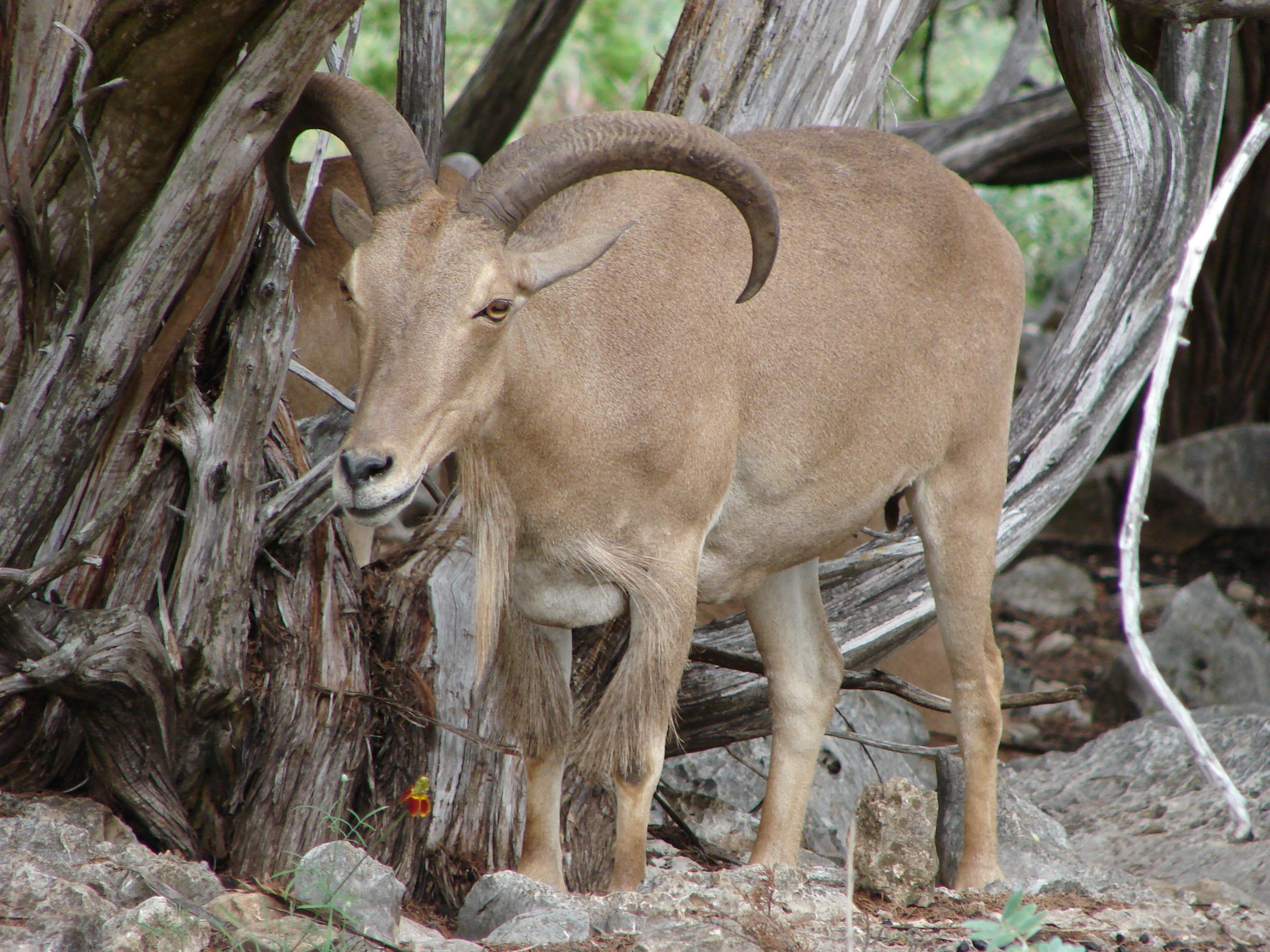
Threatened in Bangladesh


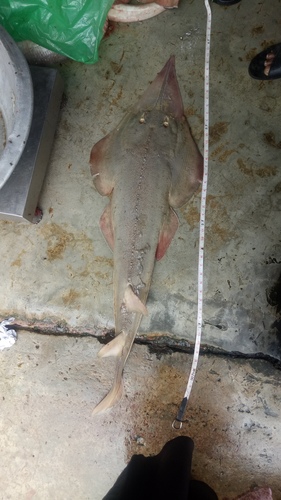

Frequently asked questions
Why is Wild Water Buffalo classified as Endangered?
Where does Wild Water Buffalo live?
What are the main threats to Wild Water Buffalo?
Get weekly conservation intelligence
One short digest a week of the most striking species and country data we ship, plus breaking conservation news paired with our database where it matters.
Free, no spam. One-click unsubscribe in every email.