
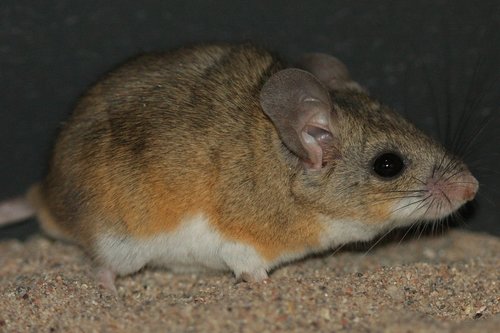
Common Hamster
Cricetus cricetus
Photo: Photo: Wikimedia Commons, CC BY-SA
Overview
A detailed profile for this species is sourced from the IUCN Red List of Threatened Species as assessments become available.
The European hamster faces catastrophic population declines primarily due to intensive agricultural practices that have eliminated its preferred cereal crops and destroyed burrow systems through deep plowing. Urbanization and infrastructure development have fragmented remaining suitable habitats, while the shift from traditional farming to monoculture agriculture has reduced food availability during critical breeding periods. Climate change compounds these pressures by altering hibernation patterns and reducing reproductive success.
Habitat
European hamsters inhabit agricultural landscapes, particularly cereal fields, grasslands, and field margins with deep, well-drained soils suitable for extensive burrow systems. They prefer areas with diverse crop rotations that provide year-round food sources, including grains, legumes, and root vegetables.
Conservation measures underway
Other threatened species in CRICETIDAE
Threatened in Belgium

Frequently asked questions
Why is Common Hamster classified as Critically Endangered?
Where does Common Hamster live?
What are the main threats to Common Hamster?
Get weekly conservation intelligence
One short digest a week of the most striking species and country data we ship, plus breaking conservation news paired with our database where it matters.
Free, no spam. One-click unsubscribe in every email.