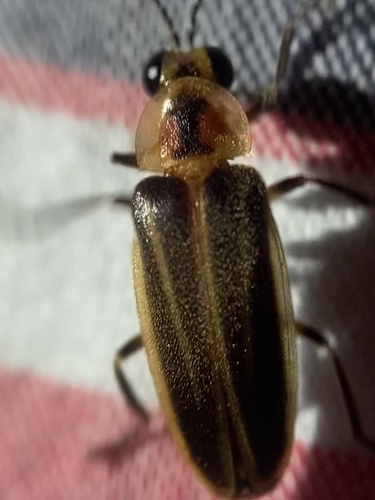
Bethany Beach Firefly
Photuris bethaniensis
Photo: Photo: (c) aaronr, some rights reserved (CC BY-NC), uploaded by aaronr
Overview
Photuris bethaniensis, also known as the Bethany Beach firefly, is a species of firefly in the genus Photuris. It is found in interdunal swale habitats along a 25 kilometre stretch of shoreline in Sussex County, Delaware. It is extremely rare and in decline.
The main threats to this species include habitat loss due to coastal development, sea level rise, light pollution, and the lowering of groundwater aquifers. This species has an estimated extent of occurrence of 33 km2, and the entire population occurs within one location, as the main threat will probably impact all sites within the current known distribution by the end of the century. Various historical collection sites no longer contain this species, and the occurrence locality thought to hold the largest number of individuals, has recently been lost to a housing development.
Therefore, continuing decline in the area of occupancy has been observed; continuing decline in the extent of occurrence is projected, as all remaining occurrences contain few individuals and face myriad threats; continuing decline in the area, extent, and quality of habitat has been observed; continuing decline in locations is projected as the sea level rises; and, as a result of the recent loss of a site, a decline in the number of mature individuals is inferred. As such, this species is listed as Critically Endangered under criteria B1ab.
Photuris bethaniensis faces severe threats from urban development and light pollution in its limited Pennsylvania range. The species' specialized habitat requirements and small population size make it extremely vulnerable to local extinctions from residential and commercial development. Light pollution from nearby urban areas disrupts the firefly's essential bioluminescent mating displays, reducing reproductive success and population viability.
Habitat
This firefly species inhabits specific woodland edges and meadow margins in southeastern Pennsylvania. It requires particular microhabitat conditions with appropriate vegetation structure and moisture levels for larval development and adult mating activities.
Conservation measures underway
Other threatened species in LAMPYRIDAE
Threatened in United States
Frequently asked questions
Why is Bethany Beach Firefly classified as Critically Endangered?
Where does Bethany Beach Firefly live?
What are the main threats to Bethany Beach Firefly?
Get weekly conservation intelligence
One short digest a week of the most striking species and country data we ship, plus breaking conservation news paired with our database where it matters.
Free, no spam. One-click unsubscribe in every email.