Austroablepharus barrylyoni
Overview
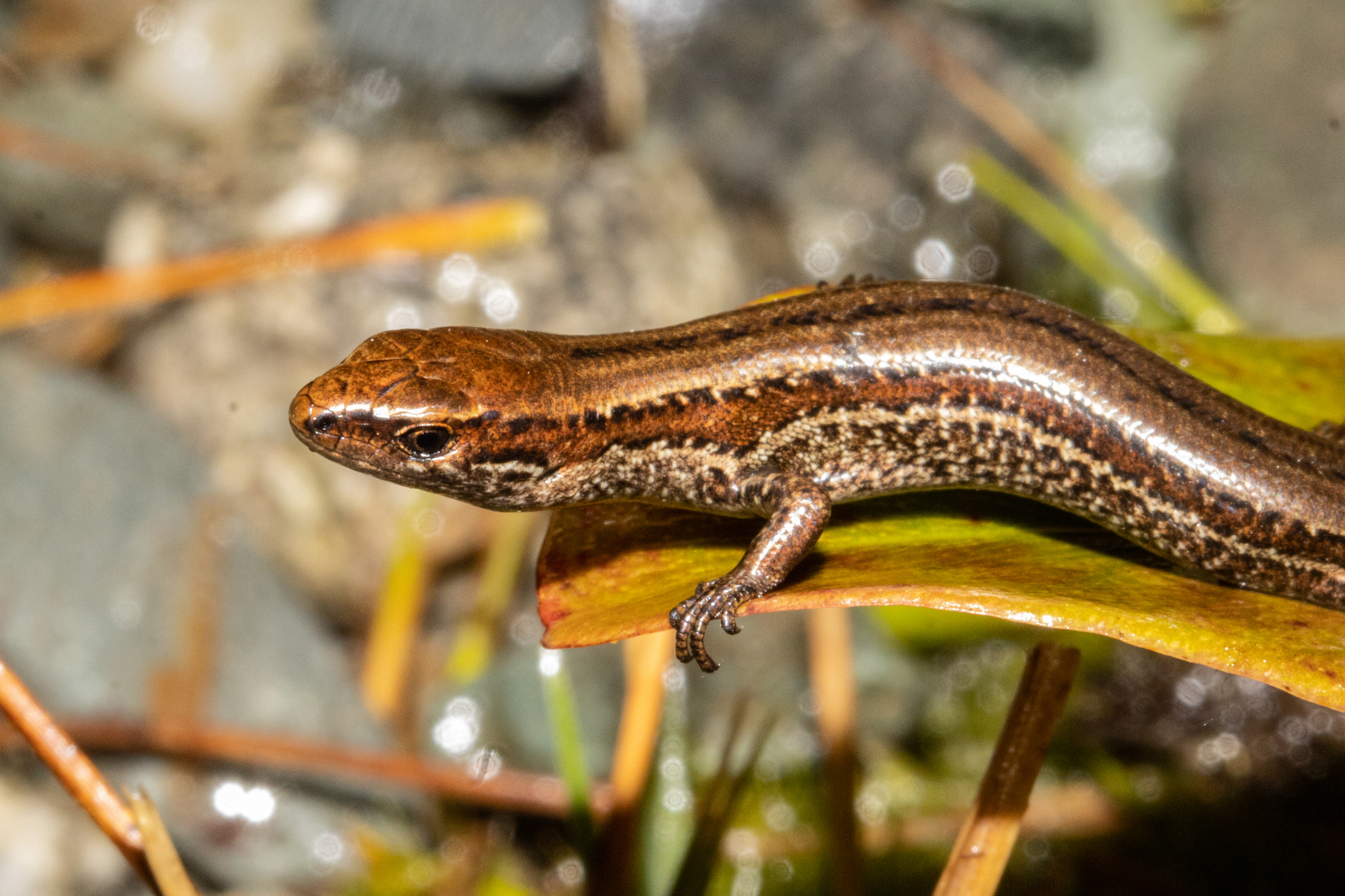
A small, smooth-scaled skink belonging to the family Scincidae, this species is characterized by the reduced limbs and elongated body form typical of its genus, adaptations that allow it to move efficiently through dense grass tussocks and leaf litter. Like other members of Austroablepharus, it is likely a diurnal, ground-dwelling forager, feeding on small invertebrates and contributing to the regulation of arthropod populations within its habitat while also serving as prey for birds and other predators.
The species is restricted to grassland habitats in Australia, where it depends on intact ground cover and undisturbed soil structure for shelter, thermoregulation, and foraging. Its known range appears highly localized, a factor contributing to its heightened vulnerability.
This skink is classified as Critically Endangered, with an unknown population trend, reflecting significant data gaps alongside ongoing decline pressures. Livestock farming and ranching represent a persistent threat, as grazing pressure degrades grass structure and soil integrity essential to the species' survival. Invasive non-native species and associated diseases pose additional risks, potentially through predation, competition, or habitat alteration.
Fishing and harvesting of aquatic resources, while less directly connected to a grassland species, may indicate broader landscape-level disturbance affecting adjacent wetland or riparian grassland zones within its range.
Specific conservation programs targeting this species are not well documented, suggesting it may fall outside the scope of dedicated recovery efforts to date. Broader Australian reptile conservation frameworks, including habitat protection and invasive species control programs, may offer indirect benefit.
Given its Critically Endangered status, restricted range, and multiple ongoing threats, the species' outlook remains precarious. Without targeted population monitoring and habitat management, its long-term persistence cannot be assured.
This species faces ongoing pressure from livestock grazing and ranching activities that can damage or alter its natural habitat, along with competition or predation from invasive non-native species. Fishing and harvesting of aquatic resources in its environment add further strain by disturbing the areas it depends on. These threats appear to be continuous and stable rather than clearly worsening, though ongoing habitat pressures suggest the situation requires continued monitoring.
Habitat
Conservation measures underway
Other threatened species in SCINCIDAE

Threatened in Australia
Frequently asked questions
Why is Austroablepharus barrylyoni classified as Critically Endangered?
Where does Austroablepharus barrylyoni live?
What are the main threats to Austroablepharus barrylyoni?
Get weekly conservation intelligence
One short digest a week of the most striking species and country data we ship, plus breaking conservation news paired with our database where it matters.
Free, no spam. One-click unsubscribe in every email.