Artvinian Everlasting
Helichrysum artvinense
Overview
Helichrysum artvinense is a critically endangered perennial herb endemic to the mountainous regions of northeastern Turkey, specifically the Artvin Province from which it derives its scientific name. This member of the Asteraceae family displays the characteristic papery, silvery-white bracts surrounding small yellow flower heads typical of the everlasting genus Helichrysum. The plant forms low cushions or mats, with narrow, woolly leaves that provide protection against harsh alpine conditions.
It inhabits rocky slopes, cliff faces, and alpine meadows at elevations between 2,000 and 3,200 meters, where it has adapted to extreme temperature fluctuations and intense UV radiation. The species flowers from July to September, producing clusters of distinctive golden-yellow composite flowers that maintain their color when dried. Despite its Critically Endangered status according to the IUCN Red List, recent botanical surveys have indicated that known populations appear stable, suggesting that targeted conservation measures and the species' adaptation to harsh, inaccessible terrain may be providing some protection.
The plant's extremely limited geographic range, restricted to a few high-altitude sites in the Caucasus Mountains, makes it particularly vulnerable to environmental changes. However, its presence within some protected areas of the region and growing awareness among local botanists represent positive developments for its long-term survival. The species serves as an important indicator of alpine ecosystem health in this biodiversity hotspot.
The primary threats to Helichrysum artvinense stem from its extremely restricted range and specialized high-altitude habitat requirements. Climate change poses a significant risk as warming temperatures force alpine species to migrate to higher elevations, potentially eliminating suitable habitat entirely. Infrastructure development and mining activities in the Artvin region threaten to fragment the already limited populations, while overgrazing by livestock in alpine meadows can damage the delicate cushion-forming growth habit essential for the species' survival.
Habitat
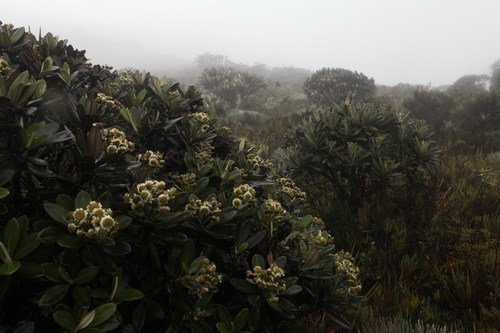
This species occupies rocky alpine slopes, cliff crevices, and high-altitude meadows in the Caucasus Mountains of northeastern Turkey, typically at elevations between 2,000 and 3,200 meters. It thrives in well-drained, mineral-rich soils with excellent drainage, often growing in association with other endemic alpine flora adapted to extreme weather conditions and short growing seasons.
Conservation measures underway
Other threatened species in ASTERACEAE
Threatened in Türkiye

Frequently asked questions
Why is Artvinian Everlasting classified as Critically Endangered?
Where does Artvinian Everlasting live?
What are the main threats to Artvinian Everlasting?
Get weekly conservation intelligence
One short digest a week of the most striking species and country data we ship, plus breaking conservation news paired with our database where it matters.
Free, no spam. One-click unsubscribe in every email.