Atlas Daisy
Anacyclus pyrethrum
Overview
Anacyclus pyrethrum (Pellitory-of-Spain)
Anacyclus pyrethrum is a perennial herbaceous plant in the daisy family, characterized by its low-growing, mat-forming habit and distinctive white flowers with yellow centers. The plant produces deeply divided, feathery leaves and develops a thick, fleshy taproot that has been valued for centuries in traditional medicine for its numbing and antimicrobial properties. As a hardy alpine species, it plays an important role in stabilizing soil in mountainous regions and provides nectar for high-altitude pollinators.
This species occurs across a fragmented range spanning the Mediterranean basin, extending from Morocco and Algeria through southern Europe (Spain, France, Austria, Germany, Poland) to Ukraine, and reaching into South Asia (Pakistan, India, Nepal). It typically inhabits rocky slopes, grasslands, forest margins, and desert edges at elevations between 1,000-3,000 meters, often growing in poor, well-drained soils.
The species faces mounting pressure from livestock overgrazing, which damages root systems and prevents regeneration. Road construction and logging activities fragment populations, while intensive agriculture encroaches on natural habitats. Overharvesting for medicinal use, particularly of the valuable roots, significantly impacts wild populations. Recreational activities in mountain regions cause additional trampling damage.
Conservation efforts remain limited, with some populations protected within national parks and nature reserves. Research into sustainable cultivation methods is ongoing in Morocco and India to reduce pressure on wild stocks. However, comprehensive population monitoring and habitat protection measures are lacking across much of its range, contributing to continued population decline throughout most occupied territories.
Anacyclus pyrethrum faces multiple ongoing threats including damage from livestock grazing and trampling, habitat disruption from road and railroad construction, forest clearing for timber, disturbance from tourism and recreational visitors, conversion of natural areas to farmland for crops, and overharvesting of the plant from wild populations. These various human activities are fragmenting and degrading the natural habitats where this species grows. All identified threats are currently ongoing, suggesting the pressure on this species remains stable or may be intensifying.
Habitat
Conservation measures underway
Other threatened species in ASTERACEAE
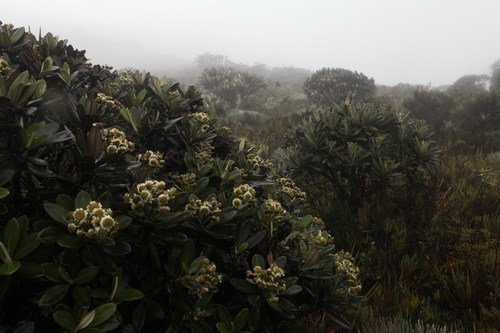
Threatened in Algeria


Frequently asked questions
Why is Atlas Daisy classified as Vulnerable?
Where does Atlas Daisy live?
What are the main threats to Atlas Daisy?
Get weekly conservation intelligence
One short digest a week of the most striking species and country data we ship, plus breaking conservation news paired with our database where it matters.
Free, no spam. One-click unsubscribe in every email.