Amyris cubensis
Overview
A detailed profile for this species is sourced from the IUCN Red List of Threatened Species as assessments become available.
Amyris cubensis faces severe population decline primarily due to extensive deforestation and habitat conversion across Cuba's remaining natural forests. The species is particularly vulnerable to agricultural expansion and urban development, which have fragmented its already limited range. Overcollection for traditional medicinal uses and timber extraction have further reduced wild populations, while the small remaining stands face ongoing pressure from invasive plant species that alter forest composition.
Habitat
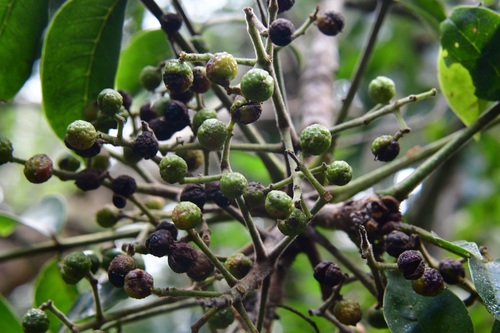
Amyris cubensis inhabits dry forests and woodland areas of Cuba, typically growing in limestone-derived soils and rocky terrain. The species is adapted to semi-arid conditions and is found in both coastal and inland forest remnants at low to moderate elevations.
Other threatened species in Rutaceae
Frequently asked questions
Why is Amyris cubensis classified as Critically Endangered?
Where does Amyris cubensis live?
What are the main threats to Amyris cubensis?
Get weekly conservation intelligence
One short digest a week of the most striking species and country data we ship, plus breaking conservation news paired with our database where it matters.
Free, no spam. One-click unsubscribe in every email.