Bagous brevis
Overview
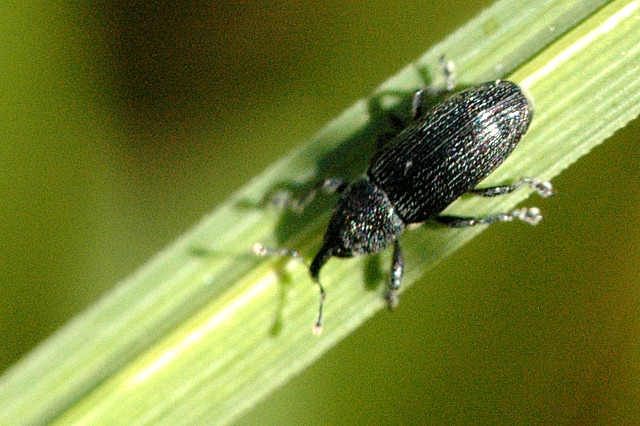
Bagous brevis is a small weevil species measuring 2-3mm in length with a distinctive elongated rostrum and dark brown to black coloration. This aquatic weevil plays a crucial ecological role as both herbivore and prey species, feeding on submerged aquatic plants while serving as food for fish and other aquatic invertebrates.
Bagous brevis faces significant threats from habitat degradation and loss of wetland ecosystems across its range. The species' specialized dependence on aquatic plants makes it particularly vulnerable to water pollution, drainage of wetlands, and changes in water quality that affect its host plants.
Habitat
This weevil species inhabits freshwater wetlands, pond margins, and slow-moving waterways where it depends on aquatic and semi-aquatic plants. It is typically found in areas with emergent vegetation including sedges and other wetland plants that serve as both feeding and breeding sites.
Other threatened species in Curculionidae

Threatened in Denmark

Frequently asked questions
Why is Bagous brevis classified as Vulnerable?
Where does Bagous brevis live?
What are the main threats to Bagous brevis?
Get weekly conservation intelligence
One short digest a week of the most striking species and country data we ship, plus breaking conservation news paired with our database where it matters.
Free, no spam. One-click unsubscribe in every email.