Addax nasomaculatus
Overview
The addax, also known as the white antelope and the screwhorn antelope, is an antelope native to the Sahara. The only member of the genus Addax, it was first described scientifically by Henri de Blainville in 1816. As suggested by its alternative name, the addax has spiral horns that are 55 to 80 cm long in females and 70 to 85 cm in males.
In the winter, its coat is greyish-brown with white hindquarters and legs, and long, brown hair on the head, neck, and shoulders; in the summer, the coat turns almost completely white or sandy blonde. Males stand from 105 to 115 cm at the shoulder, with females at 95 to 110 cm. They are sexually dimorphic, as the females are generally smaller than the males.
The Addax faces imminent extinction due to uncontrolled hunting for meat and traditional medicine, which has decimated populations across its range. Habitat degradation from overgrazing by livestock and human encroachment into desert areas has further reduced available grazing grounds. Climate change is intensifying desertification and reducing the sparse vegetation this antelope depends on for survival.
Habitat
The Addax inhabits extremely arid desert regions of the Sahara, particularly sandy and stony desert areas with sparse vegetation. It prefers areas with scattered grasses and desert shrubs, and can survive in some of the most water-scarce environments on Earth.
Conservation measures underway
Other threatened species in BOVIDAE
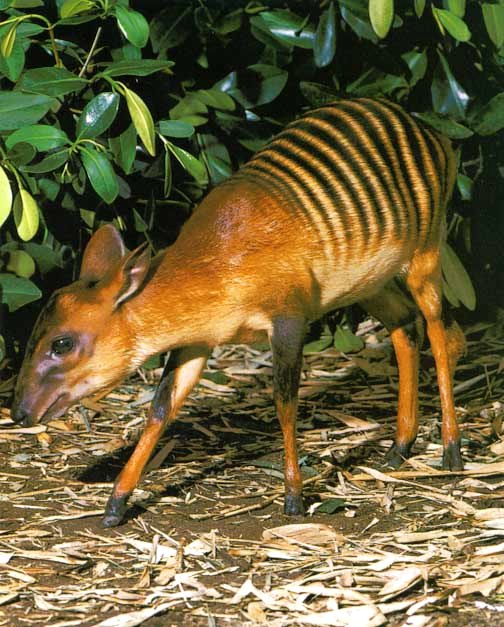
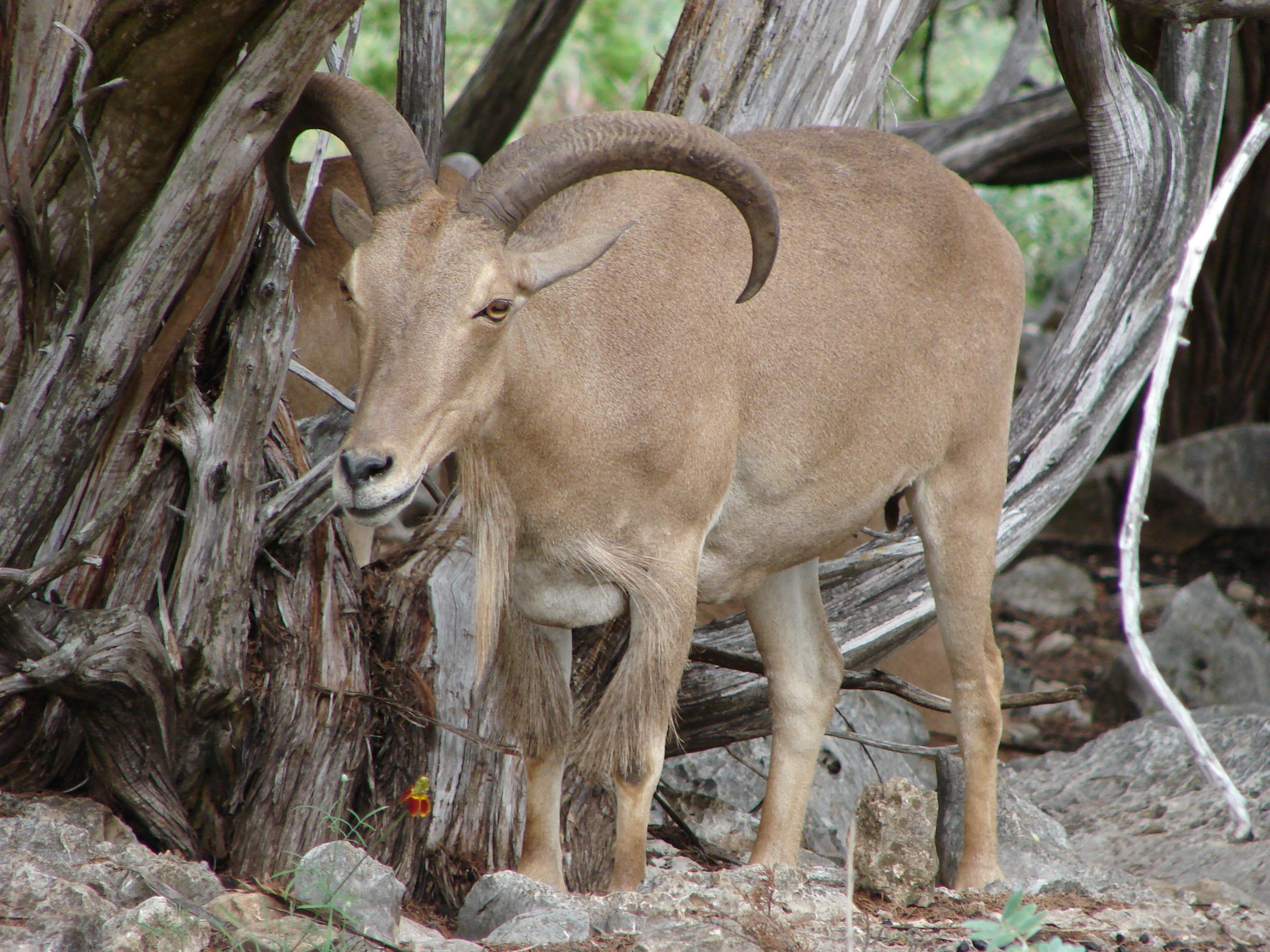
Threatened in Algeria


Frequently asked questions
Why is Addax nasomaculatus classified as Critically Endangered?
Where does Addax nasomaculatus live?
What are the main threats to Addax nasomaculatus?
Get weekly conservation intelligence
One short digest a week of the most striking species and country data we ship, plus breaking conservation news paired with our database where it matters.
Free, no spam. One-click unsubscribe in every email.