Woylie's Kin Declared Extinct by IUCN
A Quiet Closing of the Books
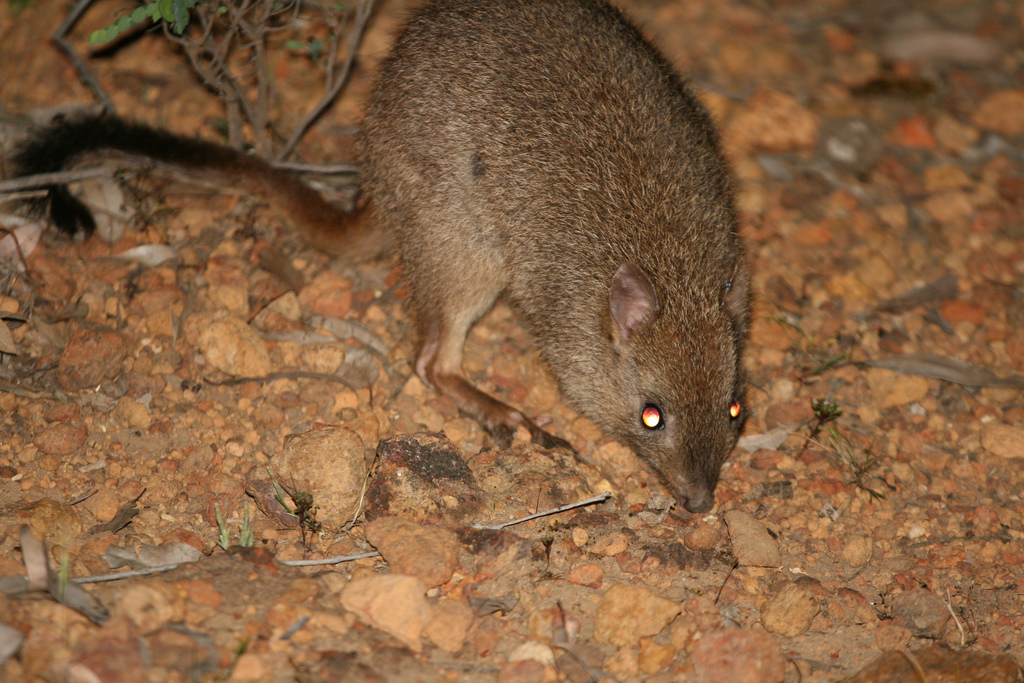
The International Union for Conservation of Nature has confirmed what field biologists long suspected: the brush-tailed bettong, a small hopping marsupial once found across parts of mainland Australia, is gone. Its 2026 Red List update, reported by artensterben.de, moved the species into the Extinct category after no confirmed sightings since the 1920s. It is one of 15 animal species reclassified as extinct in this update, a list spanning mammals, fish, an insect, and several snail species.
There is no drama in this announcement, no last-ditch rescue attempt gone wrong. The brush-tailed bettong simply stopped appearing in surveys nearly a century ago, and it has taken this long for the bureaucratic and scientific process of extinction confirmation to catch up with an ecological reality that was already settled. That lag matters. It is a reminder that extinction is rarely a single moment — it is usually a slow fade that observers only formalize decades after the fact.

What This Means for a Genus Already on the Brink
The brush-tailed bettong's extinction lands with particular weight for anyone tracking the fate of its closest living relative, the woylie (Bettongia penicillata). The woylie is currently listed as Critically Endangered on the IUCN Red List, and its population trajectory over the past three decades reads like a cautionary tale of how quickly abundance can collapse. In the 1990s, woylies were considered a conservation success story, having rebounded enough that they were briefly downlisted. Then, between the late 1990s and mid-2000s, populations crashed by more than 90 percent across their remaining range in Western Australia, driven by a combination of predation and disease that researchers still work to fully untangle.
The extinction of a sister species in the same genus is not just symbolic. It underscores how the entire bettong lineage — small, ground-dwelling, digging marsupials that play an outsized role in soil health and seed dispersal — has proven exceptionally vulnerable to the pressures introduced across Australia since European settlement. Where the brush-tailed bettong lost its race against those pressures entirely, the woylie remains, but only barely, and only within a fraction of its historic range.
Shared Threats, Divergent Outcomes
Both species faced strikingly similar pressures, which makes the brush-tailed bettong's fate a warning rather than an isolated tragedy. The woylie's own threats, as tracked in SpeciesRadar's database, include:
- Predation by introduced red foxes and feral cats, which have proven far more efficient hunters than any predator woylies evolved alongside
- Habitat fragmentation caused by large-scale agricultural clearing and expanding urban development, which isolates remaining populations into small, vulnerable pockets
- Disease outbreaks that have swept through remnant populations, compounding losses already inflicted by predators and habitat loss
These same forces likely doomed the brush-tailed bettong long before formal survey methods existed to document the decline in real time. The difference is largely one of timing and geography — the woylie's remaining strongholds, several of them on fox-free islands and fenced mainland reserves, arrived just in time to prevent total collapse.

A Wider Pattern of Loss
The 2026 Red List update is not an isolated data point. Fifteen species crossing into extinction in a single assessment cycle reflects a broader erosion happening across taxonomic groups simultaneously — mammals, freshwater fish, insects, and land snails alike. Island and range-restricted species, along with those dependent on specialized habitats, are disproportionately represented in these losses, a pattern conservation scientists have documented for decades. Small mammals with limited ranges and slow reproductive rates, like bettongs, are especially exposed because they cannot rebound quickly once predation or disease pressure intensifies.
For the woylie specifically, the lesson from its relative's extinction is stark: the margin between "critically endangered" and "extinct" can be measured in a handful of unprotected populations. Conservation programs that maintain predator-free havens, whether through island translocations or intensively managed fenced reserves, have so far kept the species from following the same path. But those interventions require sustained funding, ongoing monitoring, and vigilance against new threats such as disease spillover, which contributed heavily to the woylie's earlier population crash.
What Comes Next
Conservation groups working with the woylie continue to prioritize expanding predator-proof sanctuary networks and monitoring genetic diversity across fragmented populations, since small, isolated groups are more vulnerable to inbreeding and localized disease events. There is no guarantee these efforts will be enough, but they represent the only tools currently proven to hold the line. The brush-tailed bettong's extinction cannot be undone. What remains an open question is whether the same fate awaits its closest living relative, or whether the hard-won lessons from past declines can keep the woylie on the right side of the ledger. Explore the full profile and conservation data for Woylie (CR) on SpeciesRadar.
Frequently Asked Questions
What is the difference between the brush-tailed bettong and the woylie?
They are closely related bettong species, both native to Australia. The brush-tailed bettong has now been declared extinct by the IUCN, while the woylie, its closest living relative, survives but is classified as Critically Endangered.
Why did the brush-tailed bettong go extinct?
It had not been recorded since the 1920s, and researchers point to the same pressures affecting other Australian small mammals: introduced predators, habitat clearing, and disease, all compounding over time until populations disappeared entirely.
Is the woylie at risk of the same fate?
Yes, without continued conservation intervention. The woylie suffered a population crash exceeding 90 percent in the 2000s due to fox and cat predation, disease, and habitat fragmentation, and it now persists mainly in protected, predator-controlled sanctuaries.
How many species were added to the Extinct category in this IUCN update?
Fifteen animal species were reclassified as extinct in the 2026 update, including mammals, fish, an insect, and several snail species, according to the report from artensterben.de.
Get weekly conservation intelligence
One short digest a week of the most striking species and country data we ship, plus breaking conservation news paired with our database where it matters.
Free, no spam. One-click unsubscribe in every email.