Tiger: Nepal's Record 429 Strains Habitat
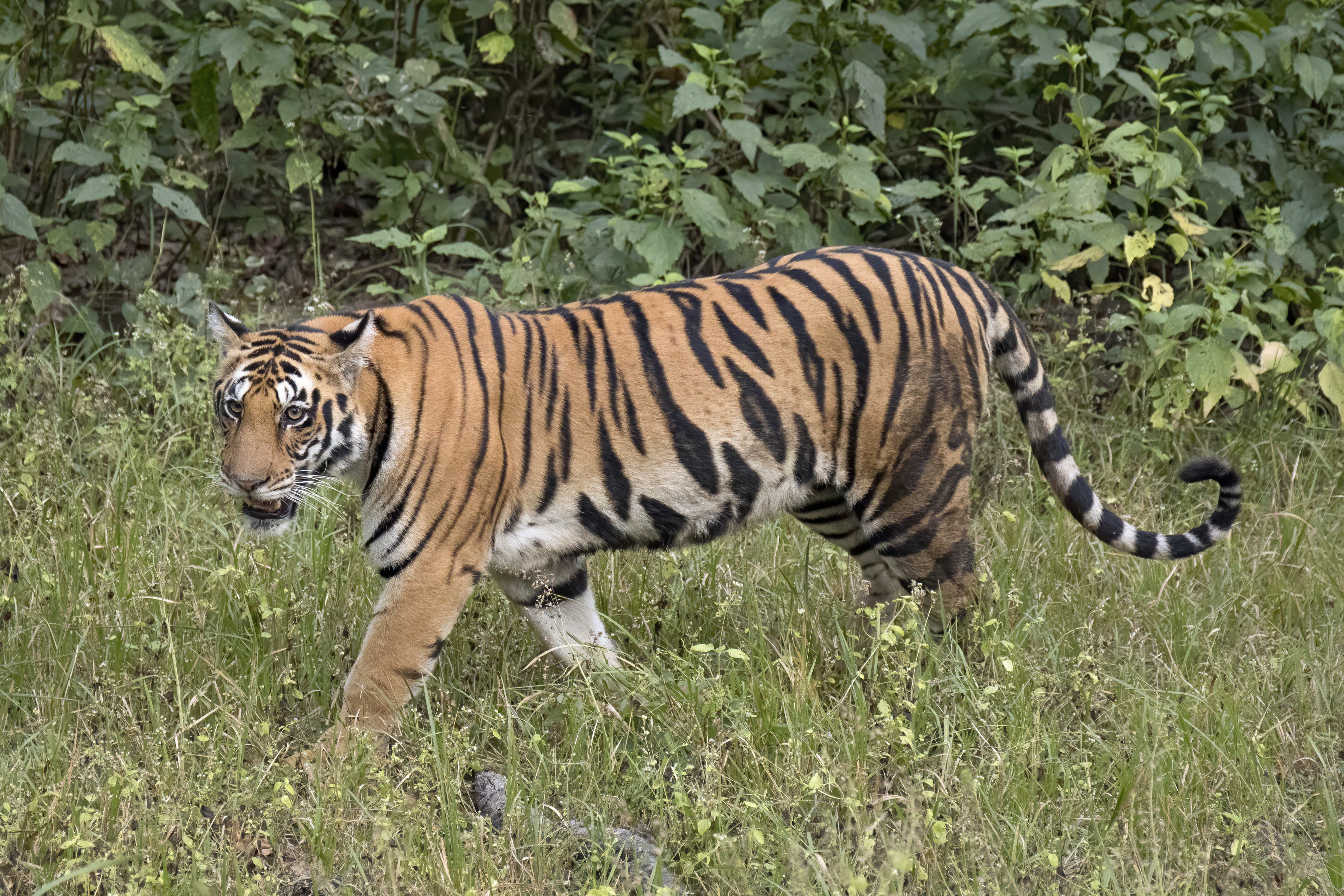
Nepal's latest national tiger census has produced a milestone figure: 429 wild tigers counted across the country's protected forests and grasslands, according to the Kathmandu Post. That marks an increase of 74 animals since the last survey in 2022, when the population stood at 355. On paper, it is a striking conservation success story. On the ground, wildlife officials and researchers are warning that Nepal's tiger reserves may be approaching a capacity problem — one that could undercut the very progress the numbers seem to celebrate.
The camera-trap survey, conducted across the Terai Arc Landscape and adjoining reserves, found uneven results. Some parks recorded sharp increases in resident tigers, while Bardiya National Park — historically one of Nepal's most important tiger strongholds — saw its numbers decline. Conservationists say the mixed picture suggests that as habitat fills up in one area, tigers may be dispersing, competing for territory, or facing new pressures in another.
What the Numbers Mean for Nepal's Tigers
Nepal has spent nearly two decades pursuing an ambitious national commitment to double its tiger population, part of a broader global pledge known as Tx2 that emerged from a 2010 international tiger summit. The rise from 355 to 429 animals confirms that Nepal remains one of the few range countries where tiger numbers are climbing rather than shrinking.
The tiger, Panthera tigris, is currently classified as Endangered on the IUCN Red List, and Nepal's population of roughly 355 (per the 2022 census baseline in our database, now revised upward by this new count) represents a meaningful share of the wild tigers left on Earth. Globally, the species survives in fragmented pockets across 16 countries, from the mangrove-laced Sundarbans of Bangladesh to the Russian taiga, but its overall range has contracted dramatically from historical distributions. You can view the full species profile for the Bengal Tiger, which inhabits the same Terai lowlands where this census was conducted.

Why Bardiya's Decline Matters
Bardiya National Park's drop in tiger numbers is the detail conservationists are watching most closely. The park has long been considered a critical breeding population and a key link in the corridor connecting Nepal's western lowlands to India's tiger landscapes. A decline there, even as national numbers rise, points to localized pressures — potentially prey depletion, habitat degradation, or heightened human-tiger conflict — that a single aggregate figure can mask.
Wildlife managers quoted in the original report frame the overall increase as a sign that some parks, particularly in central and eastern Nepal, may now be nearing ecological saturation. When a park's carrying capacity is reached, adult tigers — especially young males seeking their own territory — are forced to disperse into buffer zones, community forests, or agricultural land, raising the odds of conflict with people and livestock.
The Wider Conservation Picture
Tigers occupy a paradoxical position in global conservation: intensively protected in specific reserves, yet still squeezed by the same threats that nearly eliminated them across most of Asia over the past century. Nepal's success is real, but it exists inside a landscape under constant pressure from agriculture, infrastructure, and human settlement expansion.
The species' persistent threats include:
- Poaching and illegal trade — tigers are killed for body parts trafficked through black markets, driven by persistent demand in parts of Asia.
- Retaliatory killing — communities living near reserves sometimes kill tigers after livestock depredation or attacks on people, a risk that grows as tiger populations expand into buffer areas.
- Habitat loss and fragmentation — forest clearing for farmland and logging continues to shrink and isolate tiger territory.
- Infrastructure expansion — new roads and settlements cut through corridors tigers rely on to move between protected areas.
- Vehicle collisions — highways bisecting habitat corridors create direct mortality risk for dispersing tigers.
None of these pressures has meaningfully eased, even as Nepal's raw population count improves. That tension — rising numbers within a shrinking and increasingly contested landscape — is precisely what conservation officials mean when they describe "habitat concerns" alongside a record census.

Outlook: Managing Success
Nepal's challenge now shifts from simply growing tiger numbers to managing the consequences of that growth. Corridor connectivity between parks like Chitwan, Bardiya, Banke, and Parsa becomes more urgent as tigers disperse to find unoccupied territory. Buffer-zone communities will likely need expanded compensation schemes and livestock protection measures to offset rising conflict risk. And monitoring programs will need to track not just how many tigers exist, but where they are moving and why some reserves are losing animals while others gain them.
Regional governments and conservation groups have generally treated Nepal's tiger recovery as a model for range countries still struggling with declining populations. But this census is a reminder that population growth without matching habitat and corridor investment can create new vulnerabilities rather than resolve old ones. Sustaining the gains recorded this year will likely depend on how quickly Nepal can expand functional habitat and strengthen the corridors linking its parks, rather than on the headline number alone.
Frequently Asked Questions
How many tigers does Nepal have now?
Nepal's newest camera-trap census recorded 429 wild tigers nationwide, up from 355 in the 2022 count — an increase of 74 animals.
Why did tiger numbers fall in Bardiya National Park?
The report does not specify a single cause, but conservationists point to possible habitat saturation elsewhere pushing dispersal patterns, prey availability shifts, and localized pressures unique to Bardiya's landscape.
What is the tiger's global conservation status?
The tiger is classified as Endangered on the IUCN Red List, with wild populations fragmented across 16 countries and still facing poaching, habitat loss, and human conflict.
Does a rising population mean tigers are no longer at risk in Nepal?
No. A rising count is encouraging, but experts warn that limited habitat capacity, corridor gaps, and conflict risk mean continued protection and land management are still essential.
Get weekly conservation intelligence
One short digest a week of the most striking species and country data we ship, plus breaking conservation news paired with our database where it matters.
Free, no spam. One-click unsubscribe in every email.